 Uganda Backs Olara Otunnu for UN's Top Job
  EDITOR'S PICK: WHY MORE INVESTORS ARE ABANDONING NAMANVE AND ESTABLISHING MORE FACTORIES ALONG KATOSI ROAD
  SOUTH KOREA: South Korean AI billionaire faces $1 billion divorce payout for having a child with another woman
  33-Year-Old Former Porn Star Wins Senate Seat
  OUR LOCAL GOVERNANCE SYSTEM DEFINE OUR HISTORICAL ROOTS.
“Traitors or Saints?” — Mayiga’s Remarks on Uganda Martyrs Spark National Reflection and Outrage
By Staff Reporter
KAMPALA — A statement by Buganda Katikkiro Charles Peter Mayiga describing the Uganda Martyrs as “traitors” from the perspective of the Buganda Kingdom has triggered a nationwide wave of debate, blending history, religion, and politics at the height of Martyrs Day commemorations.
The remarks, made in an interview with the Daily Monitor, have drawn strong reactions from across Uganda, with many questioning the framing of one of the country’s most revered historical and religious narratives.
Mayiga reportedly argued that historical events must be understood within their political context, saying that while the Uganda Martyrs are celebrated today as symbols of faith and sacrifice, the Buganda Kingdom leadership under Kabaka Mwanga II may have viewed them as individuals who defied royal authority.
According to him, the young converts’ rejection of certain palace directives and their growing association with foreign missionaries introduced tensions within the kingdom at a time of rising external influence and internal political uncertainty.
The statement immediately ignited heated debate on radio talk shows, social media platforms and religious forums, with critics accusing the Katikkiro of using inappropriate language to describe figures regarded as saints by both the Catholic and Anglican churches.
For many Christians, the Uganda Martyrs represent the highest form of sacrifice — 45 young men who were executed between 1885 and 1887 for refusing to abandon their Christian faith under Kabaka Mwanga II.
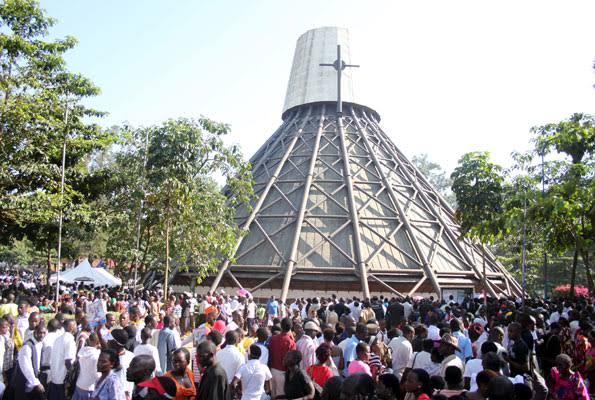
Their deaths are commemorated annually on June 3 at Namugongo Martyrs Shrine, where millions of pilgrims from Uganda and beyond gather in one of Africa’s largest religious events.
However, historians note that the period was marked by intense political and cultural transformation in Buganda. The arrival of European missionaries and Arab traders introduced competing belief systems, reshaping loyalty structures within the royal court.
Some scholars argue that Mwanga II saw the growing influence of Christianity as a threat to his authority, particularly as some royal pages converted and began prioritizing religious allegiance over traditional obligations to the Kabaka.
It is within this complex historical setting that Mayiga’s remarks have been interpreted by some analysts as an attempt to highlight the dual lens through which history can be viewed — religious and political.
Supporters of the Katikkiro say his comments were not meant to insult the martyrs but to explain how their actions may have been perceived by state authority at the time.
“He was emphasizing historical context, not denying their faith or sacrifice,” one cultural commentator noted.
However, critics insist that the language used was deeply insensitive, especially during the Martyrs Day season when national attention is focused on honoring their memory.
Religious leaders have so far remained cautious, with no major denomination issuing a formal statement by press time, though discussions continue within church circles and public forums.
The Uganda Martyrs were canonized by Pope Paul VI in 1964, cementing their place in global Christian history as symbols of unwavering faith under persecution.
Today, Uganda Martyrs Day stands not only as a religious observance but also as a national moment of unity and reflection.
As pilgrims continue to flock to Namugongo, Mayiga’s remarks have reopened longstanding questions about how Uganda remembers its past — whether through the lens of faith, political authority, or the complex realities that shaped its history.
The debate now underscores a broader national tension: how to reconcile reverence for religious heritage with the contested narratives of pre-colonial political history.


Leave a Comment
Your email address will not be published. Required fields are marked *