 From NGO Funding to Climate Education: The Parliamentary Trail of a Ugandan Teen Advocate
  Kampala Standard School Kyanja Opens Nursary and Primary Admissions
  BANK OF BARODA SHS2.5B DIVIDEND PAYMENT TO DR. SUDHIR RUPARELIA IS AN EYE OPENER.
  Human Trafficking:Don Chris remanded over 127 counts of allegedly conning job seekers
  Marriott International has officially entered Uganda’s hospitality market.
Proposal to Increase MPs’ Overseas Medical Funding Sparks Fresh Debate
By Aritha Ariho
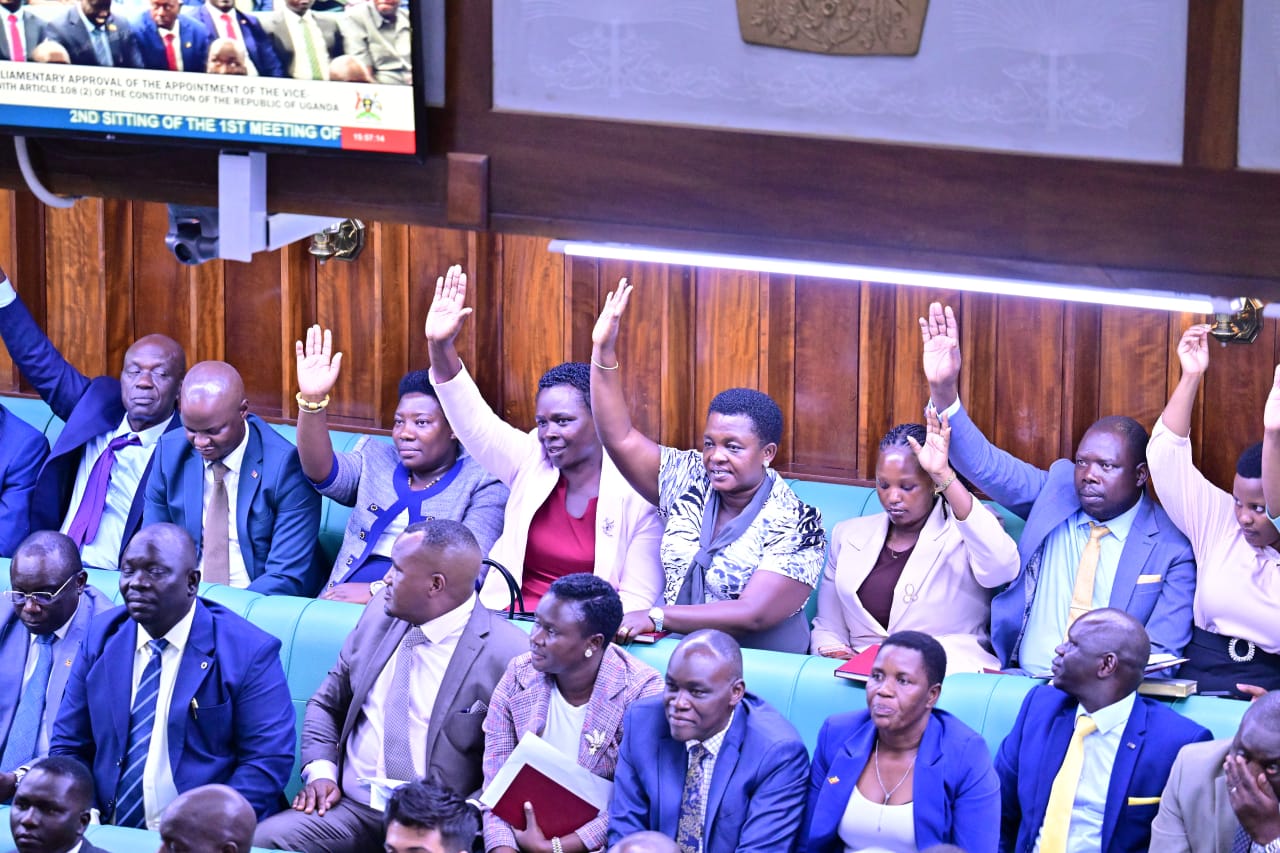
Kampala, Uganda — A proposal to allocate additional funds for Members of Parliament (MPs) seeking medical treatment abroad has emerged from ongoing budget discussions, drawing both justification from officials and criticism from sections of the public.
The plan was presented by the Parliamentary Commission, the body responsible for the welfare and administration of Parliament. According to officials, the request forms part of the institution’s budget framework for the upcoming financial year.
Speaking during a recent budget session, a senior official attached to the Commission explained that the increase is intended to address rising medical needs among legislators. “We are seeing more cases where specialised treatment is required but cannot be adequately handled within our current health system,” the official said. “This provision ensures that members can access necessary care without delays.”
The proposal is understood to cover enhanced medical insurance and facilitation for MPs who are referred to hospitals outside Uganda for advanced procedures. These typically include complex surgeries, specialised diagnostics, and treatment options not widely available locally.
Sources within Parliament indicate that the issue gained urgency following a number of recent cases where legislators reportedly sought treatment abroad, placing pressure on existing medical provisions. The Commission is said to have reviewed these cases and concluded that current allocations were insufficient.
However, the move has quickly attracted scrutiny from governance analysts and civil society actors, who argue that the proposal highlights deeper structural challenges within Uganda’s healthcare system.
“This is not just about MPs,” said a Kampala-based policy analyst. “It reflects a broader reality that even top government officials do not fully rely on domestic health services. The question is whether increasing funding for treatment abroad is the right response, or whether those resources should strengthen local capacity.”
Critics also point to the optics of expanding benefits for legislators at a time when public hospitals continue to face shortages of essential equipment, medicines, and personnel. “There is a perception gap,” the analyst added. “Ordinary citizens are expected to depend on local facilities, yet leaders are being facilitated to seek care elsewhere.”
On the other hand, some lawmakers have defended the proposal, emphasizing the demanding nature of their work and the need for reliable healthcare access. One MP, speaking on condition of anonymity, said, “When a member falls seriously ill, the priority is saving a life. If the required treatment is not available here, then there must be a mechanism to access it quickly.”
The debate also touches on longstanding concerns about public expenditure and accountability. Over the years, benefits extended to MPs—including allowances and welfare packages—have often triggered public discussion about fairness and fiscal discipline.
As the budget process continues, the proposal by the Parliamentary Commission is expected to undergo further scrutiny both within legislative committees and in the public domain.
For many observers, the outcome of this debate may go beyond parliamentary welfare, shaping broader conversations about healthcare investment priorities and whether Uganda can reduce its reliance on foreign medical services in the long term.


Leave a Comment
Your email address will not be published. Required fields are marked *