
 Uganda Backs Olara Otunnu for UN's Top Job
 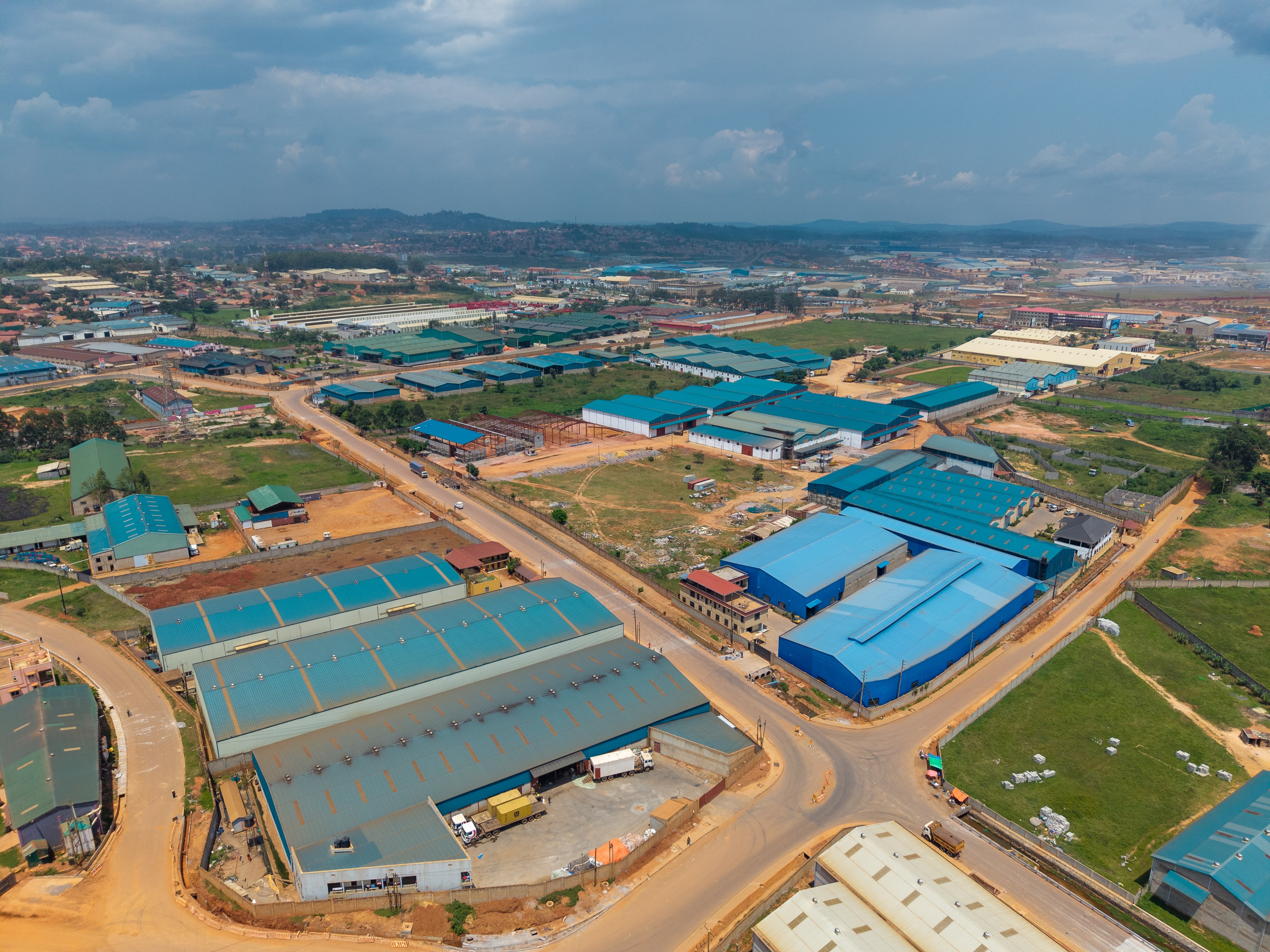 EDITOR'S PICK: WHY MORE INVESTORS ARE ABANDONING NAMANVE AND ESTABLISHING MORE FACTORIES ALONG KATOSI ROAD
  SOUTH KOREA: South Korean AI billionaire faces $1 billion divorce payout for having a child with another woman
  33-Year-Old Former Porn Star Wins Senate Seat
  OUR LOCAL GOVERNANCE SYSTEM DEFINE OUR HISTORICAL ROOTS.
Opinion: Beyond the Bean—Reclaiming the Industrial Reward of Uganda’s Coffee Wealth

By Eng. Jonard Asiimwe
Uganda’s coffee industry continues to be celebrated as one of the country’s strongest export earners. While this is true, it also hides a deeper structural weakness that I believe we must confront honestly: we continue to export raw coffee beans while surrendering most of the value to external markets.
From my perspective, this is one of the most persistent economic inefficiencies in our agricultural system.
Uganda produces high-quality coffee in large quantities, supported by millions of smallholder farmers across the country. However, the real value is not captured at production level. Instead, it is realized elsewhere—through roasting, branding, packaging, and retailing in foreign markets. This means we do the hardest work but retain the smallest share of the final economic benefit.
I strongly believe this model is no longer sustainable if Uganda is serious about economic transformation.
The solution lies in deliberate value addition and industrialization. Uganda must move beyond exporting unprocessed beans and invest in building a complete coffee value chain within its borders. This includes expanding local roasting capacity, strengthening packaging industries, and supporting the development of competitive Ugandan coffee brands that can stand in global markets.
There are already encouraging steps in this direction, including industrial park initiatives and coffee value-addition efforts. However, these remain too limited compared to the scale of opportunity before us. What is required now is a coordinated national effort to industrialize the sector, not fragmented interventions.
I also believe farmers must remain at the center of this transformation. They are the backbone of the industry, yet many continue to face unstable prices, weak bargaining power, and limited access to finance. In my opinion, no reform is meaningful unless it improves farmer incomes and strengthens cooperative structures.
Policy consistency is another critical factor. Investors and private sector players require a stable and predictable environment to commit long-term capital into agro-processing and industrial development. Without this, progress will remain slow and uneven.
Beyond production and policy, branding is an area Uganda has not fully utilized. Coffee is not just a commodity—it is a global identity product. Uganda has rich coffee-growing regions such as Mount Elgon and the Rwenzori highlands, yet this story remains underrepresented in international markets. We are exporting a product without fully exporting its identity.
Some argue that building full value addition systems is expensive and time-consuming. I acknowledge that reality. However, I also believe the cost of inaction is far greater. Every year Uganda exports raw coffee, it loses industrial jobs, tax revenue, and opportunities for technological advancement in agro-processing.
Uganda does not lack coffee. It does not lack farmers. It does not lack potential. What it lacks is full commitment to capturing the value of what it already produces.
In my view, the future of Uganda’s coffee industry must shift from volume to value. Until that shift happens, we will continue exporting wealth in its rawest form while importing back the prosperity that should have been created at home.
The Author is the NRM Vice Chairperson Western Region And The CEO_ Jonard Conglomerate Group
Related Post


Leave a Comment
Your email address will not be published. Required fields are marked *