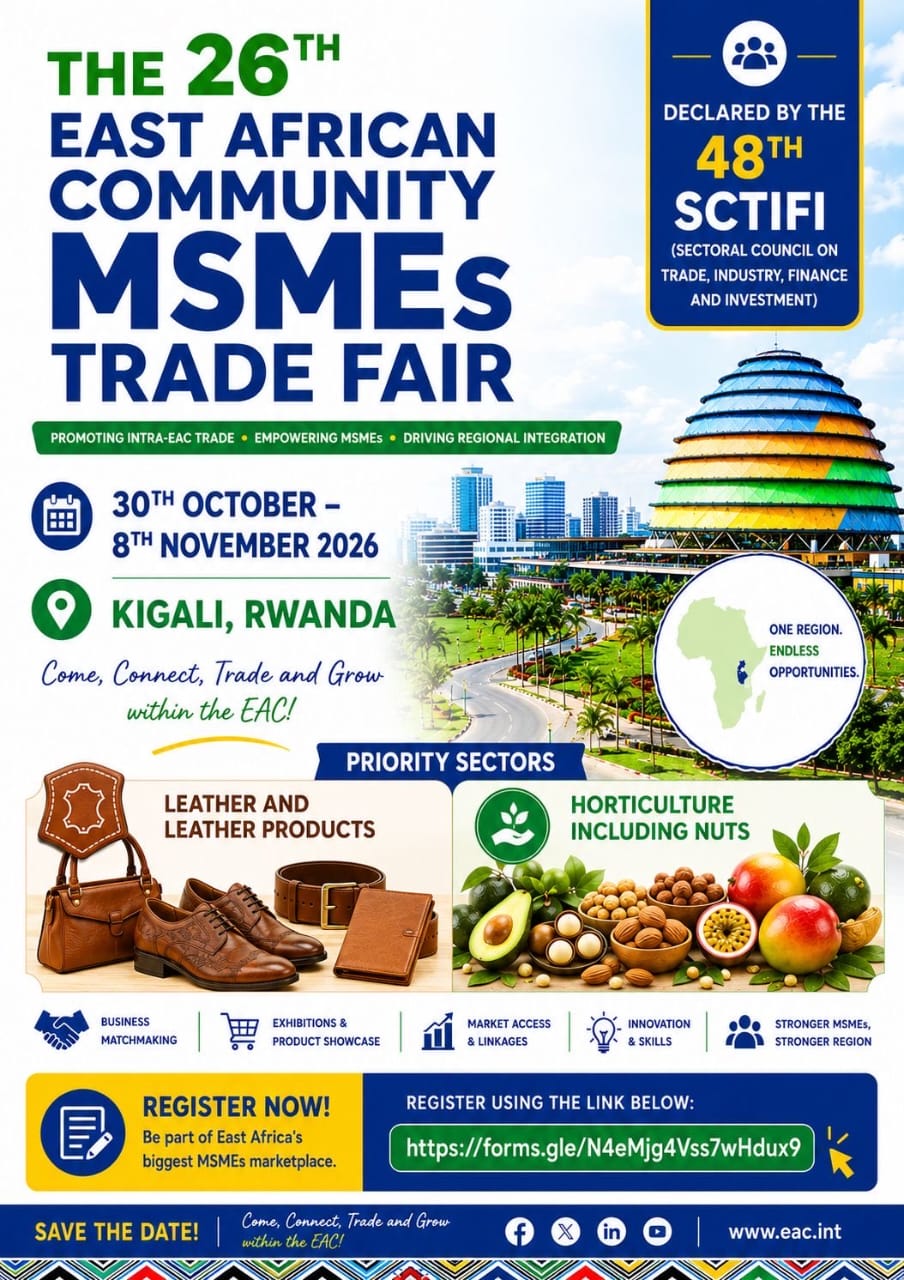
 Kigali to host 26th EAC MSMEs Trade Fair with focus on leather and horticulture value chains
 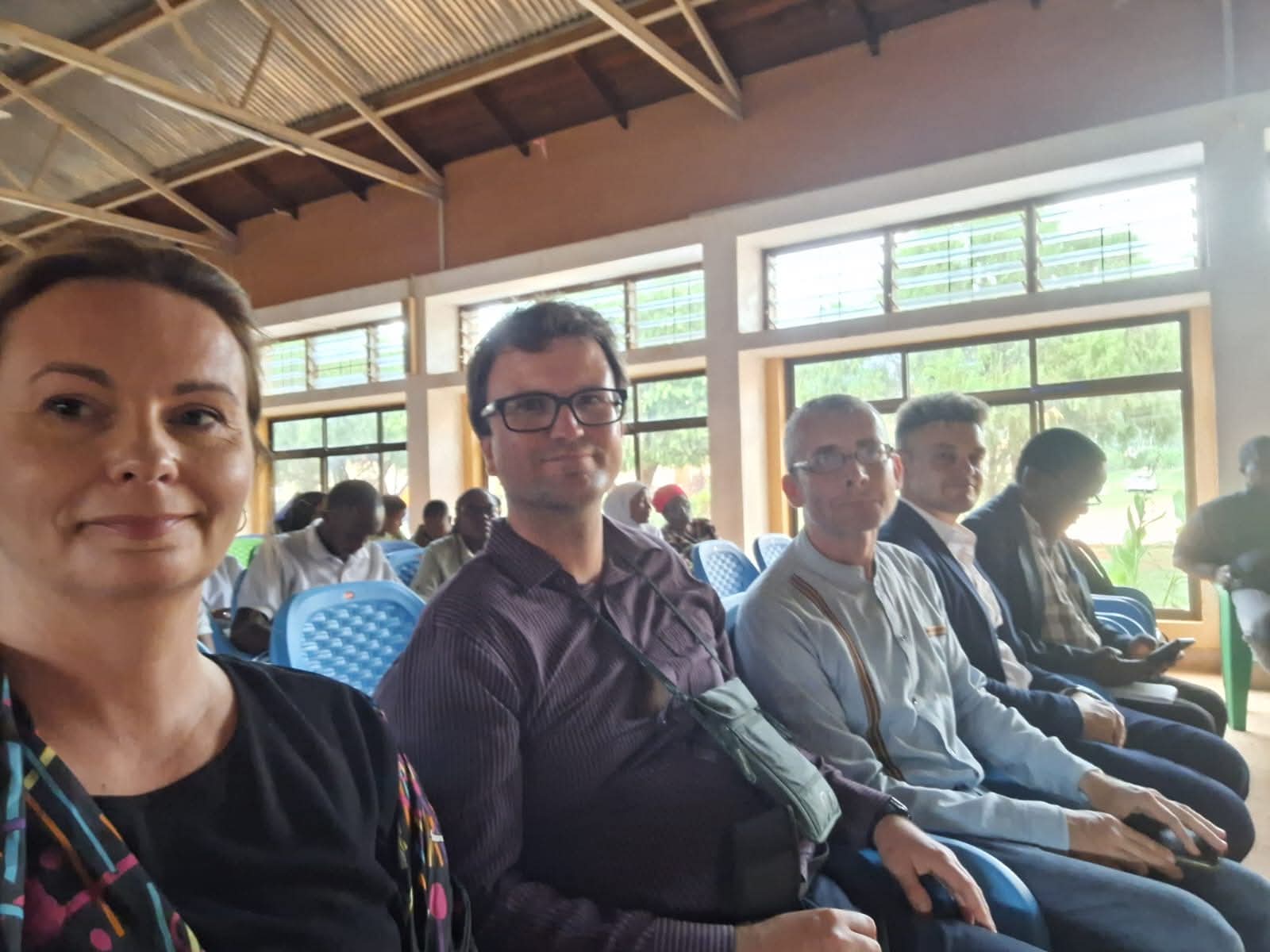 UMCS strengthens international cooperation in Tanzania!
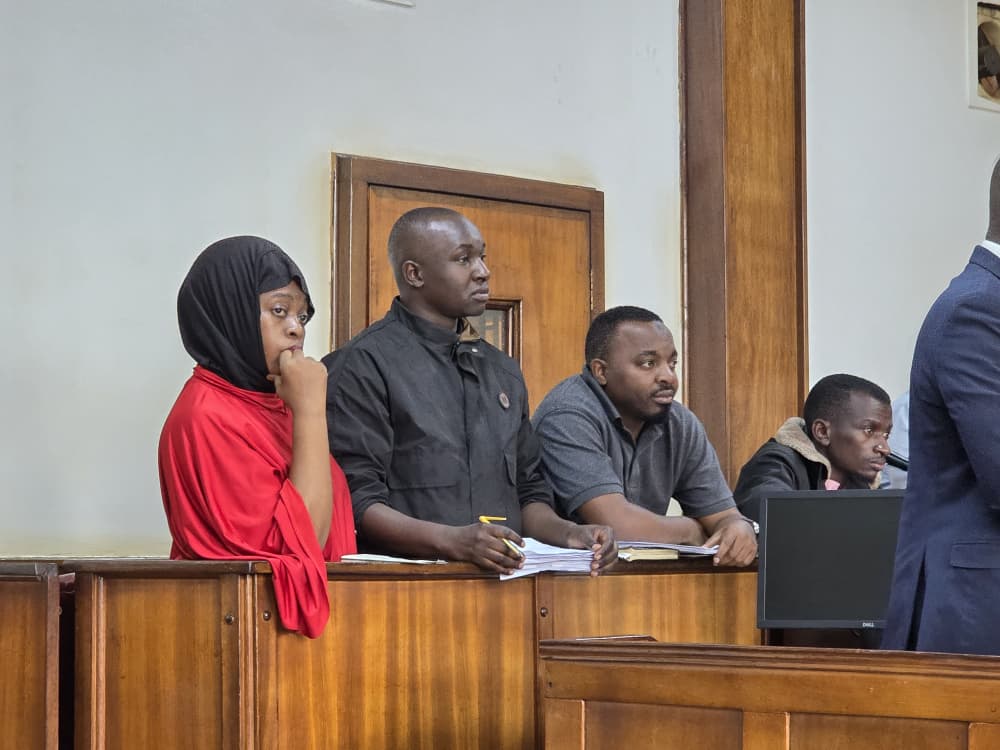
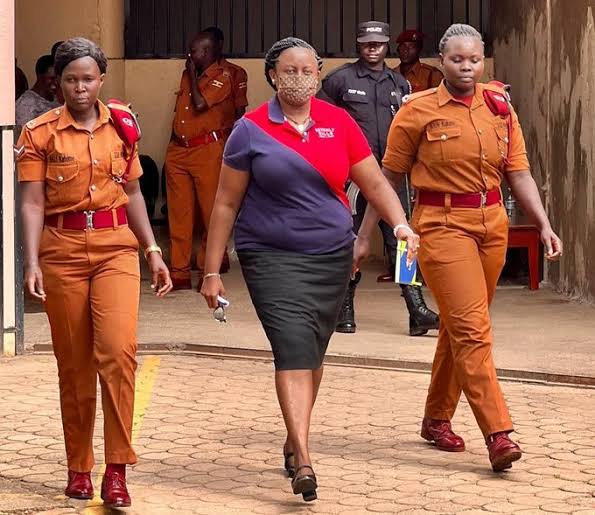
 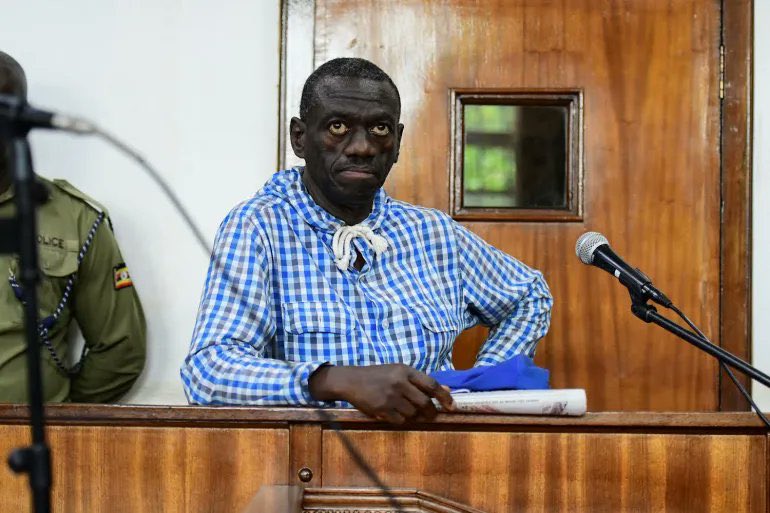 Dr Besigye Treason Trial Begins as State Prepares 10 Witnesses
 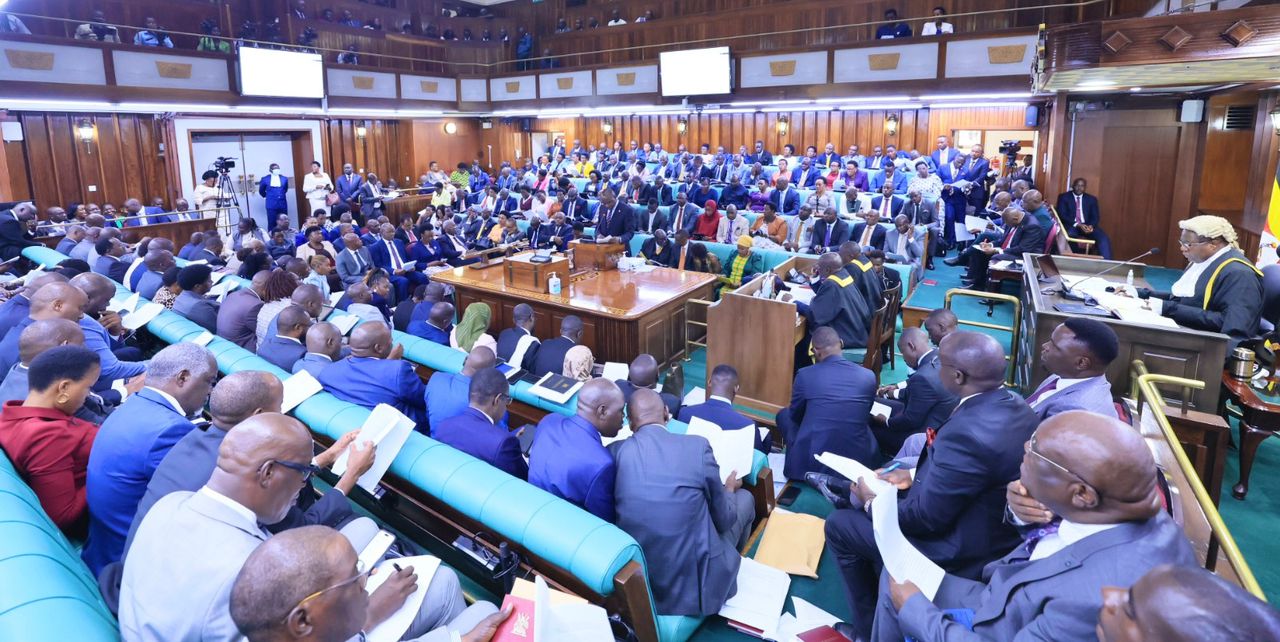 Parliament Approves Shs734 Billion Loan for Expansion of Solar-Powered Irrigation Systems
  Uganda has been ranked among the world’s top outsourcing destinations after placing 24th out of 193 countries in the 2026 Global Outsourcing Talent Index.
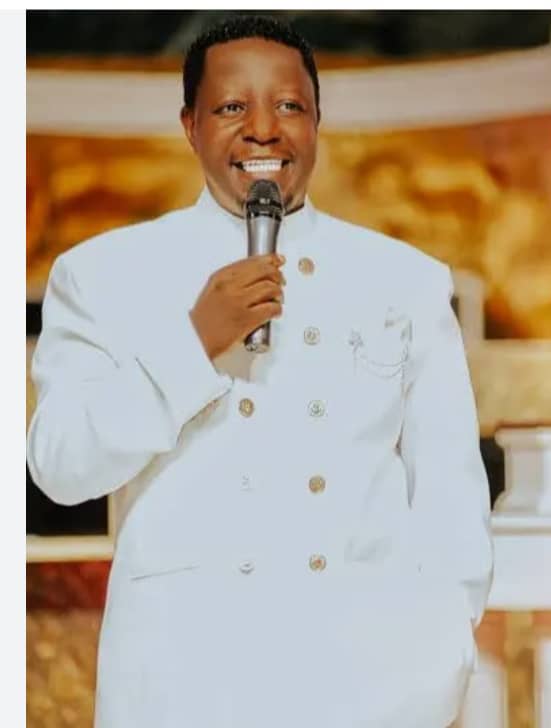
Rwampara NUP Woman MP Candidate Sarah Kiconco Joins NRM,commends Rt. Hon. Tayebwa Thomas.
Asante Times Admin
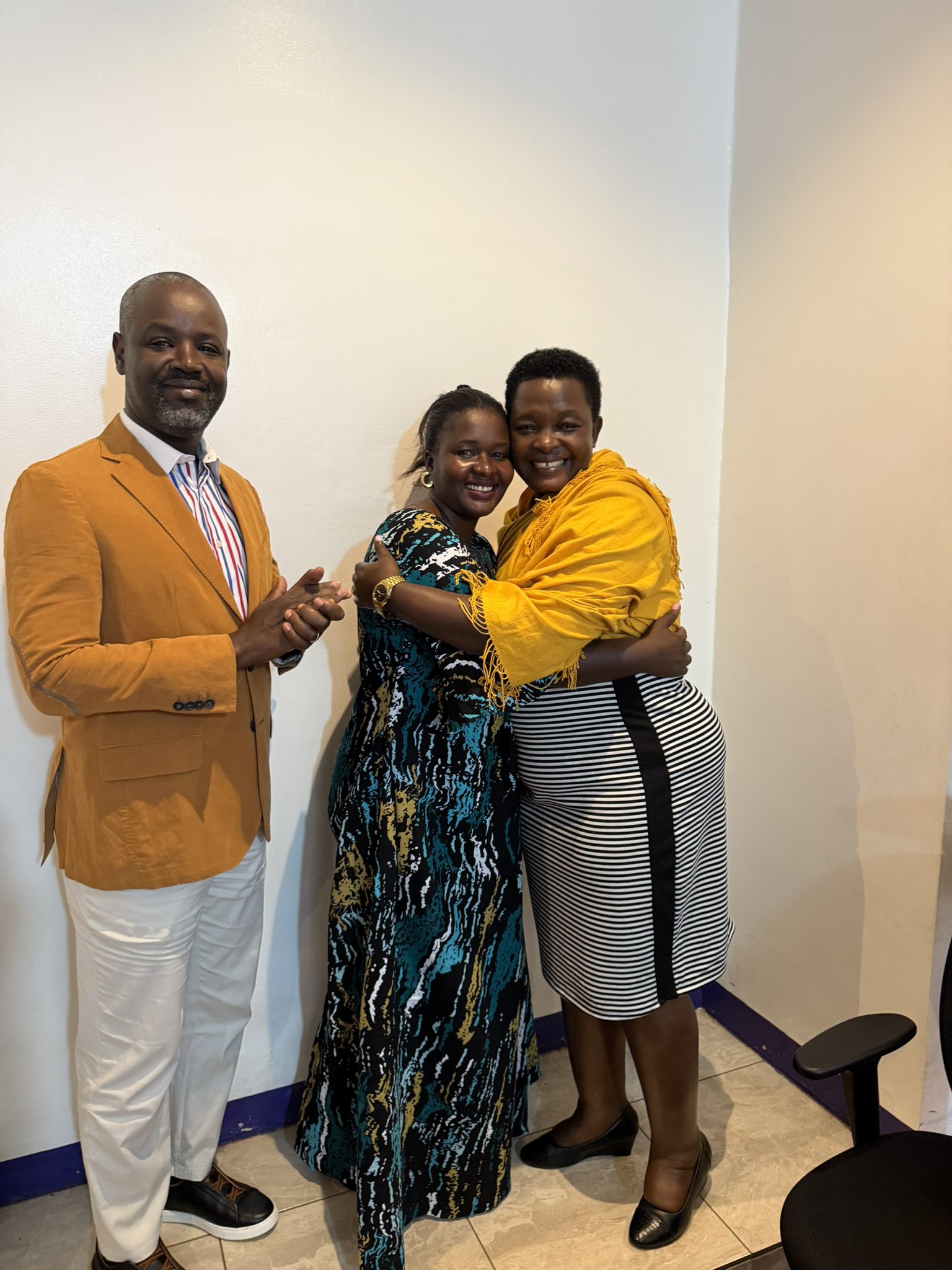
In a surprising development early this morning, Sarah Kiconco, the National Unity Platform (NUP) candidate for the Woman MP seat in Rwampara District, officially announced her withdrawal from the race in favor of the ruling National Resistance Movement (NRM) flag bearer, Ms. Annah Kansiime. This unexpected shift has sent ripples through the political landscape of Uganda, raising questions about the integrity of political processes and the motivations behind such defections.
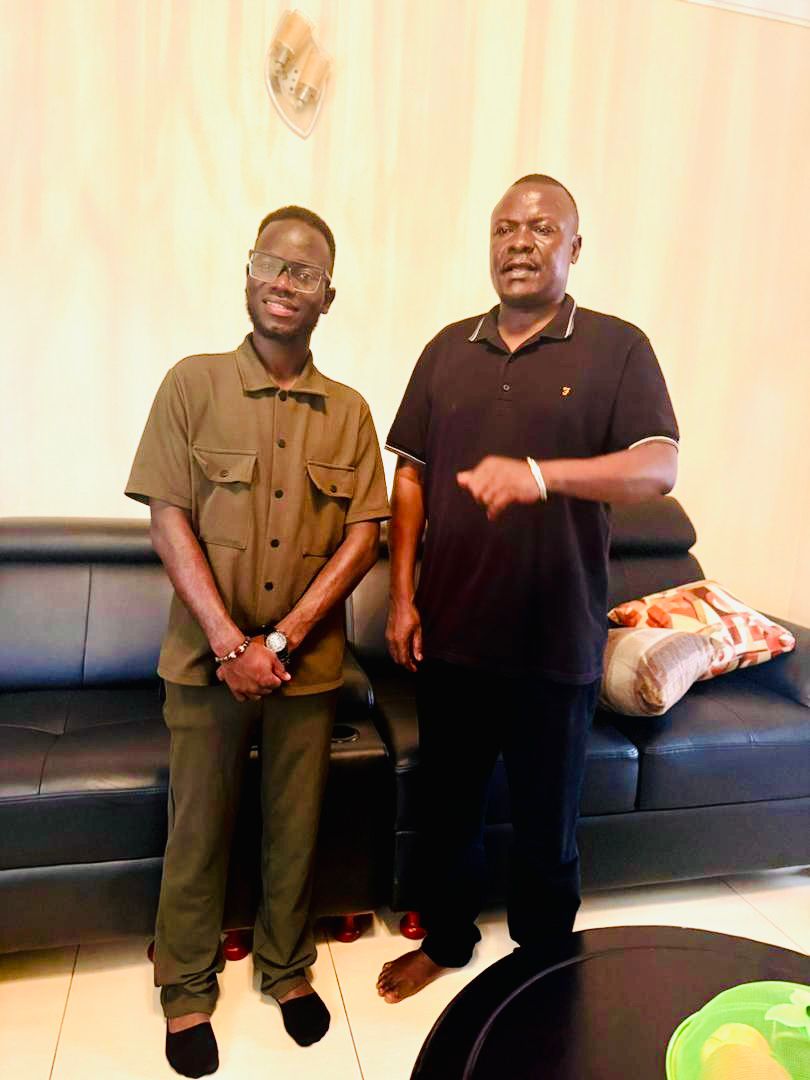
The announcement came during a gathering that included prominent political figures, notably Rt. Hon. Thomas Tayebwa, the Deputy Speaker of Parliament and a celebrated political figure known for his efforts in fostering unity within the region. “Welcome to the winning team, my sister,” Tayebwa warmly welcomed Kiconco, signaling a strategic consolidation of power within the NRM as it prepares for the upcoming elections. However, the enthusiastic response from NRM supporters was met with a wave of criticism from various segments of the public.
Social media erupted with reactions following Kiconco’s announcement, with many Ugandans expressing outrage and disbelief. Comments flooded in, reflecting a deep-seated disillusionment with the political maneuverings that characterize Uganda’s electoral landscape. A user by the name of Fello bluntly stated, “If anything, you guys really mastered the art of masturbation! You bribe someone out of the race and you pose for pics like it was out of their will.” This sentiment encapsulated the frustration of many who perceive the political arena as increasingly tainted by bribery and corruption, undermining the democratic process.
Critics were quick to point fingers at Tayebwa and the NRM leadership, accusing them of employing unethical tactics to weaken the opposition. Nicholas, another vocal critic, lamented, “You are part of the breed that we hoped would gain some conscience… but you keep falling to the usual lackluster levels of politics.” Such statements reflect a growing concern among citizens about the erosion of moral values within the political class, as public trust in elected officials continues to wane.
Sophie, a passionate commentator, expressed her indignation more pointedly: “Whatever you people are doing is completely wrong… Handing out money to your opponents just so they withdraw from the race is the most inhuman thing I have witnessed since the day I was born.” Her words resonate deeply with a populace that has grown weary of the political status quo, feeling betrayed by leaders who prioritize power over principles.
The outcry did not stop there. Thomas Obita raised pertinent questions about the implications of Kiconco’s defection for the future of Ugandan politics: “What is curious is that you and your boss are the officials who keep welcoming the ‘defectors’ from NUP to NRM and are leading the onslaught against NUP. How will you run a Parliament where your declared targets are in opposition?” This highlights a fundamental dilemma facing the NRM as it seeks to maintain its dominance while grappling with growing opposition from other political factions.
The disappointment expressed by citizens is palpable, with Christopher commenting, “When your reaping time comes, not even the faithfuls of Mitooma that you built a church for will save you.” Such remarks underscore a broader sentiment that political leaders must be held accountable for their actions, particularly when those actions appear to prioritize personal gain over the interests of the electorate.
As the dust settles on Kiconco’s unexpected move, questions linger about the future of the NUP and its ability to maintain its relevance in the face of aggressive recruitment tactics by the NRM. Kasonald Ron pointed out the irony in the situation, suggesting that the NRM’s actions betray a fear of competition: “Honourable, by this time NRM wouldn’t be celebrating the withdrawal of opposition candidates, especially after 40 years.” His comments encapsulate a widespread belief that the NRM’s long-standing rule has fostered an environment where true democratic engagement is stifled.
In conclusion, the political landscape in Uganda remains charged as the implications of Kiconco’s defection unfold. The NRM may celebrate this apparent victory, but the growing wave of dissent among the populace serves as a stark reminder that the battle for integrity and accountability in politics is far from over. As citizens continue to voice their concerns, it is clear that the demand for leaders who prioritize the welfare of the nation over personal ambition remains strong. The unfolding drama in Rwampara District may just be a microcosm of a larger struggle for the soul of Ugandan politics.
Leave a Comment
Your email address will not be published. Required fields are marked *