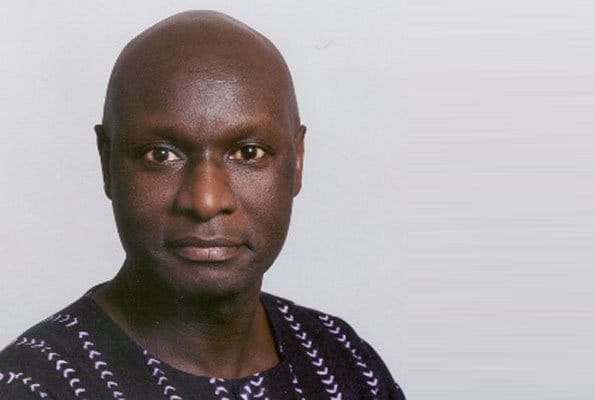
 Uganda Backs Olara Otunnu for UN's Top Job
  EDITOR'S PICK: WHY MORE INVESTORS ARE ABANDONING NAMANVE AND ESTABLISHING MORE FACTORIES ALONG KATOSI ROAD
  SOUTH KOREA: South Korean AI billionaire faces $1 billion divorce payout for having a child with another woman
  33-Year-Old Former Porn Star Wins Senate Seat
  OUR LOCAL GOVERNANCE SYSTEM DEFINE OUR HISTORICAL ROOTS.
Enough Is Enough”: Museveni Warns of Cabinet Shake-Up as 12th Parliament Opens Under Anti-Corruption Spotlight

By Peter Luzinda
KAMPALA — President Yoweri Museveni has issued a stern warning to ministers and senior government officials, signaling possible dismissals as Uganda’s 12th Parliament opens amid an intensified national campaign against corruption and inefficiency in public service.
The President’s remarks, delivered during engagements marking the start of the new parliamentary term in Kampala, have triggered widespread discussion within political circles, with analysts interpreting the statement as a signal of imminent administrative changes within Cabinet and key government institutions.
Museveni emphasized that corruption and poor performance within government structures were undermining service delivery and slowing down national development programs, particularly in sectors such as infrastructure, health, and education.
Strong warning to ministers and public officials
In his address, Museveni declared that “enough is enough,” warning that any minister or senior official found involved in corruption, negligence, or abuse of office would face immediate consequences, including dismissal from government.
He stressed that public office is a responsibility tied to accountability and results, not personal enrichment or political convenience.
According to sources familiar with the discussions, the President referenced repeated complaints from citizens and internal reports highlighting cases of bribery, manipulation of procurement systems, and delays in government program implementation.
Heightened scrutiny within government
The warning has placed Cabinet ministers and permanent secretaries under increased scrutiny as the new parliamentary term begins.
Insiders within government say performance monitoring mechanisms are being strengthened, with emphasis on tracking service delivery outcomes and ensuring compliance with accountability standards.
While Museveni did not publicly name individuals, political observers say the tone of his message suggests that some officials could be reshuffled or dismissed if ongoing evaluations reveal misconduct or inefficiency.
Parliament expected to intensify oversight
The opening of the 12th Parliament has also raised expectations for stronger legislative oversight of government operations.
Lawmakers are expected to focus on budget accountability, procurement transparency, and implementation of national development priorities.
Political analysts note that Parliament’s effectiveness in scrutinizing the Executive will be crucial in determining whether the President’s anti-corruption push leads to meaningful institutional change.
Reactions from political observers
The President’s remarks have drawn mixed reactions across political and governance circles. Supporters say the warning reflects a necessary push to enforce discipline within government and improve service delivery.
However, critics argue that similar anti-corruption rhetoric has been repeated in the past with limited long-term structural reforms, calling instead for stronger independent accountability institutions.
Civil society groups are expected to renew calls for reforms aimed at strengthening anti-corruption agencies and protecting whistleblowers who expose wrongdoing within government.
Uncertain political outlook
As the 12th Parliament begins its work, attention is now focused on whether Museveni’s warning will translate into concrete dismissals or institutional reforms within Cabinet.
For now, the political message is clear: government officials are under heightened pressure to deliver results, and tolerance for corruption within the administration appears to be narrowing significantly.


Leave a Comment
Your email address will not be published. Required fields are marked *