 BLUE TYGAR REFLECTS ON TRUE LOVE IN NEW SINGLE
  REVIVAL EVOLUTION IN MZEE Y.K MUSEVENI'S FAMILY.
 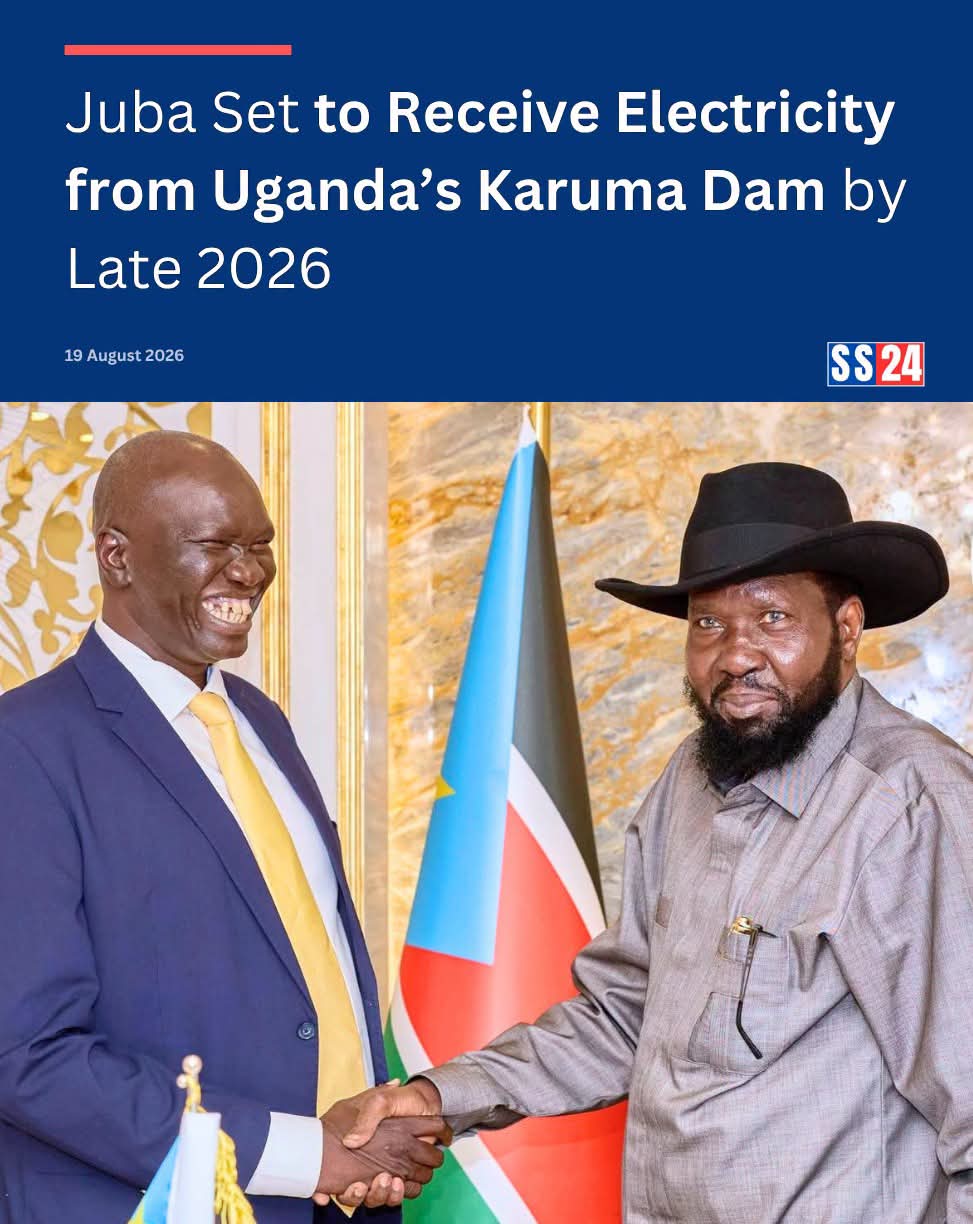 Juba Could Get Karuma Power by Late 2026
  Mukasa Joseph Builds Roofing Business Serving Buddo and Kampala
  Uganda Hands Over Migration Chairmanship To Tanzania
 Opinion: ENDING GBV STARTS WITH MEN’S MENTAL HEALTH
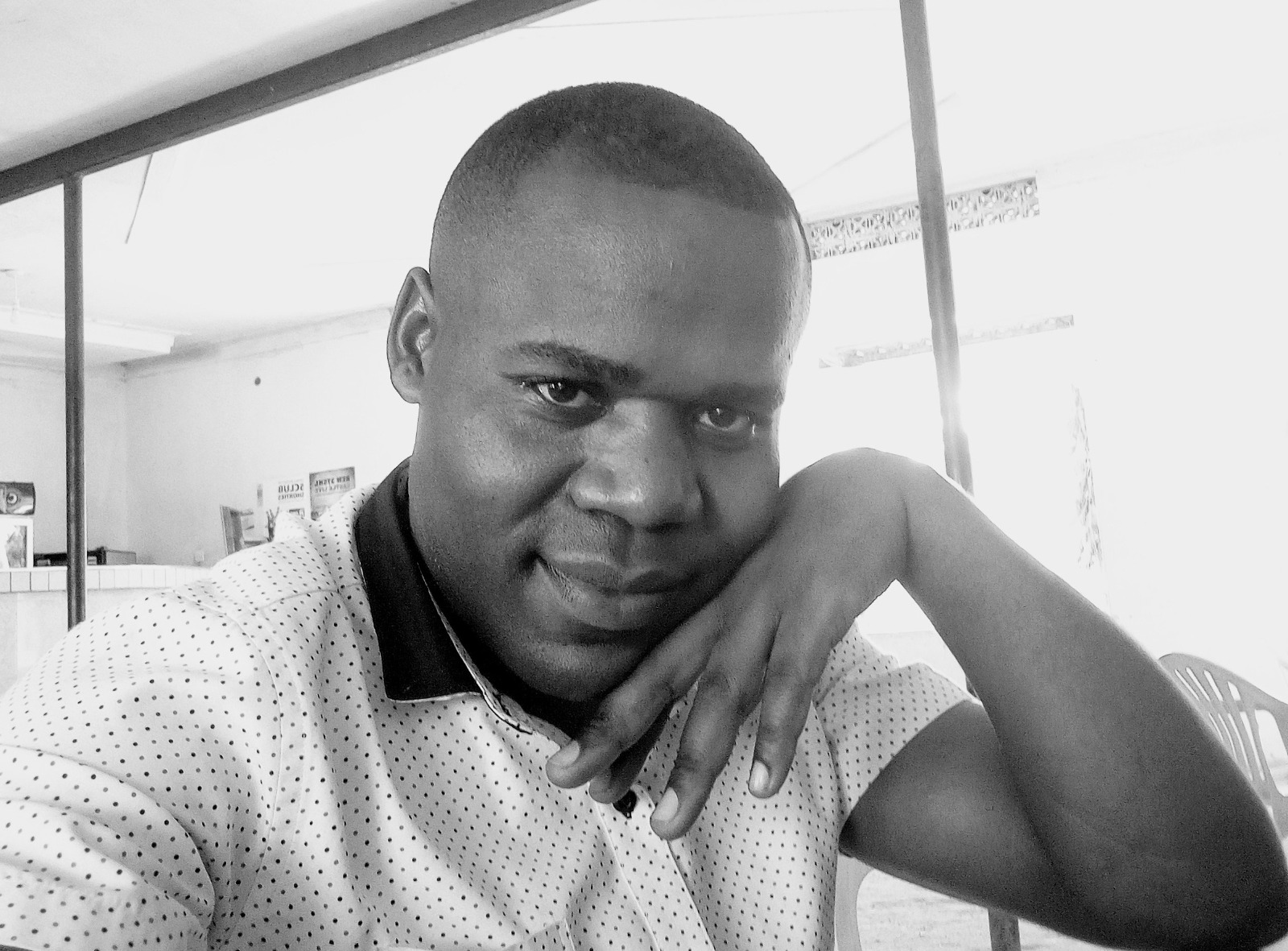
By Luke Twesigye
Every day, countless men struggle in silence with stress, depression, trauma, anxiety, substance use, and hopelessness. Many never seek help. Some withdraw from their families and communities, while others turn to harmful coping mechanisms. Yet despite the profound impact this crisis has on individuals, families, and society, men’s mental health remains one of the most overlooked public health issues in Uganda and across much of Africa.
As the world marks Men’s Health Month each June, there is an opportunity to confront this silence and recognize that men’s mental health is not only a personal issue but also a family, community, and development concern.
Increasing evidence suggests that untreated psychological distress, trauma, substance abuse, and harmful expectations of masculinity can undermine healthy relationships and contribute to risk factors associated with gender-based violence (GBV). If Uganda and other African countries are to build healthier families and advance gender equality, men’s mental health must become a national priority.
Mental health conditions remain a major global public health challenge. According to the World Health Organization’s Suicide Worldwide in 2019: Global Health Estimates (published in 2021), hundreds of thousands of people die by suicide every year, with suicide remaining one of the leading causes of death among young people aged 15–29, particularly in low- and middle-income countries where access to services is limited (WHO, 2021).
Men are consistently less likely than women to seek mental health support despite facing significant social and economic pressures. Social expectations that discourage emotional expression often result in untreated distress, increasing risks of depression, substance use, isolation, self-harm, and suicide.
Across Africa, millions live with depression, anxiety, and substance use disorders, yet mental health services remain underfunded and unevenly distributed.
The WHO Regional Office for Africa has repeatedly highlighted large treatment gaps driven by shortages of specialists, weak financing, and limited integration of mental health into primary healthcare systems (WHO AFRO).
In East Africa, rising levels of depression, anxiety, substance use, and suicide-related behaviours have been reported, particularly among young people. These challenges are fuelled by unemployment, poverty, rapid urbanization, conflict-related trauma, and persistent stigma that discourages help-seeking.
In Uganda, mental health is increasingly recognized as both a public health and development concern. The State of Uganda Population Report 2025, an annual statutory publication of the National Planning Authority (NPA), describes mental health as a “silent emergency” affecting national productivity, human capital development, and social stability (National Planning Authority, 2026).
The report estimates that about 24.2 percent of adults and 22.9 percent of children are affected by mental health conditions, while fewer than one in ten receive adequate care. It also highlights rising unemployment and underemployment among young people as major contributors to psychological distress and hopelessness.
Men are particularly vulnerable to these pressures. Expectations around financial provision, employment, and social status often leave many men feeling isolated when they are unable to meet perceived societal standards. As a result, some experience heightened stress, substance use, emotional withdrawal, and declining wellbeing.
The implications of this crisis extend beyond individual wellbeing and directly affect how men relate to partners, children, and communities. Men experiencing psychological distress or substance use challenges may be less likely to seek sexual and reproductive health and rights (SRHR) services, communicate effectively in relationships, or make informed health decisions.
This can influence contraceptive use, HIV prevention behaviours, and relationship stability, increasing vulnerability to risky sexual practices and unintended pregnancies.
Comprehensive Sexuality Education (CSE) provides an important entry point for addressing these challenges. Beyond biological knowledge, CSE promotes emotional wellbeing, consent, communication skills, gender equality, and healthy relationships.
UNESCO’s International Technical Guidance on Sexuality Education (2018) shows that quality CSE strengthens emotional and social competencies that support both SRHR and mental health outcomes (UNESCO, 2018).
Integrating mental health into CSE can strengthen coping skills, resilience, and early help-seeking behaviours among young people before challenges escalate into crises.
Mental health also plays a central role in family wellbeing. Men experiencing emotional distress may struggle with communication, parenting, and shared decision-making.
In contrast, men who have access to mental health support are more likely to build stable relationships, participate in caregiving, and support maternal and child health, strengthening overall family systems.
The relationship between mental health and GBV is particularly important. Mental health challenges do not directly cause violence. However, untreated distress, trauma, substance use, and harmful gender norms can increase the risk of violent behaviour and unhealthy responses to stress.
In environments where masculinity is associated with dominance and emotional suppression, some men may resort to aggression when faced with personal or economic pressures. This is why violence prevention efforts must go beyond punishment and awareness campaigns to include mental health promotion, emotional regulation, and positive masculinity.
Evidence from gender-transformative programmes such as Coaching Boys Into Men and Program H demonstrates that engaging boys and young men in critical reflection on gender norms, emotional regulation, and healthy relationships can reduce acceptance of violence and promote more equitable behaviours.
These experiences reinforce the reality that mental health, gender equality, and violence prevention are deeply interconnected.
Schools remain a critical platform for prevention and early intervention because many mental health conditions begin during adolescence. Integrating mental health into life-skills education, counselling services, peer support initiatives, and Comprehensive Sexuality Education can strengthen emotional resilience and reduce stigma.
Evidence from global research shows that Social and Emotional Learning (SEL) programmes improve students’ emotional skills, behaviour, and academic performance (Durlak et al., 2011). More recent guidance from WHO, UNESCO, and UNICEF (2023) further emphasizes that school-based mental health integration strengthens early identification, coping skills, and help-seeking behaviour.
Across Africa, promising models demonstrate what is possible. Zimbabwe’s Friendship Bench programme has shown the effectiveness of community-based mental health care delivered by trained lay health workers, with studies reporting significant reductions in symptoms of depression and anxiety among participants (Chibanda et al., 2016; WHO, 2022).
Rwanda has integrated mental health into primary healthcare through successive national mental health strategies and health sector reforms, improving access to services at community level (Rwanda Ministry of Health, 2020; WHO Mental Health Atlas, 2020).
Kenya’s Mental Health Action Plan (2021–2025) and South Africa’s National Mental Health Policy Framework and Strategic Plan have strengthened governance, community engagement, and service delivery for mental health care (Government of Kenya, 2021; South Africa Department of Health, 2023).
Globally, countries such as Australia, Canada, the United Kingdom, and Ireland have integrated school-based counselling, mental health promotion, and mental health literacy into education systems, contributing to earlier identification of mental health challenges, reduced stigma, and improved help-seeking among young people (WHO, UNESCO & UNICEF, 2023; OECD, 2021).
For Uganda, addressing men’s mental health is essential for achieving Vision 2040 and broader development goals. Poor mental health among men contributes to low productivity, substance use, family instability, violence, and preventable mortality. A coordinated response is needed across sectors.
Mental health services should be integrated into primary healthcare, SRHR, HIV, GBV prevention, and education systems, while community-based services, peer support groups, workplace wellness programmes, and digital mental health tools are expanded.
Schools should be strengthened as key spaces for promoting emotional wellbeing, positive masculinities, stress management, and help-seeking behaviours. Teachers, parents, religious leaders, and community actors must be supported to identify early signs of distress and provide referral pathways.
Equally important is the need to normalize conversations about men’s mental health and challenge harmful norms that discourage men and boys from seeking support when they need it.
Ultimately, men’s mental health is not only a health issue; it is also a human rights, gender equality, and development issue.
The silence surrounding it is contributing to preventable suffering and weakening families and communities. Breaking that silence requires collective action from governments, institutions, communities, families, and men themselves.
If Uganda is serious about ending gender-based violence, strengthening families, and building a healthier future, it cannot afford to ignore the mental wellbeing of its men and boys. Investing in men’s mental health is not a side issue—it is part of the solution.
The writer is Luke Twesigye, an SRHR and Gender Equality Advocate, SRHR4ALL Project Coordinator at Straight Talk Foundation, and Country Coordinator for MenEngage Uganda.
Related Post
Leave a Comment
Your email address will not be published. Required fields are marked *