 Kigali to host 26th EAC MSMEs Trade Fair with focus on leather and horticulture value chains
  UMCS strengthens international cooperation in Tanzania!
 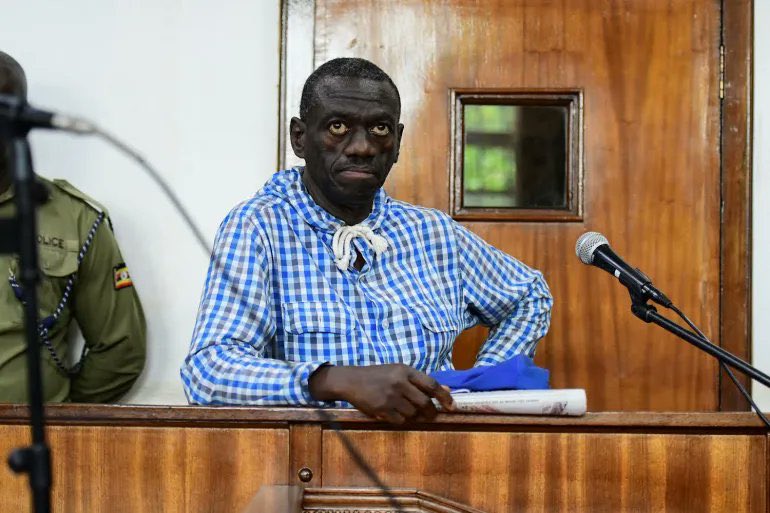 Dr Besigye Treason Trial Begins as State Prepares 10 Witnesses
 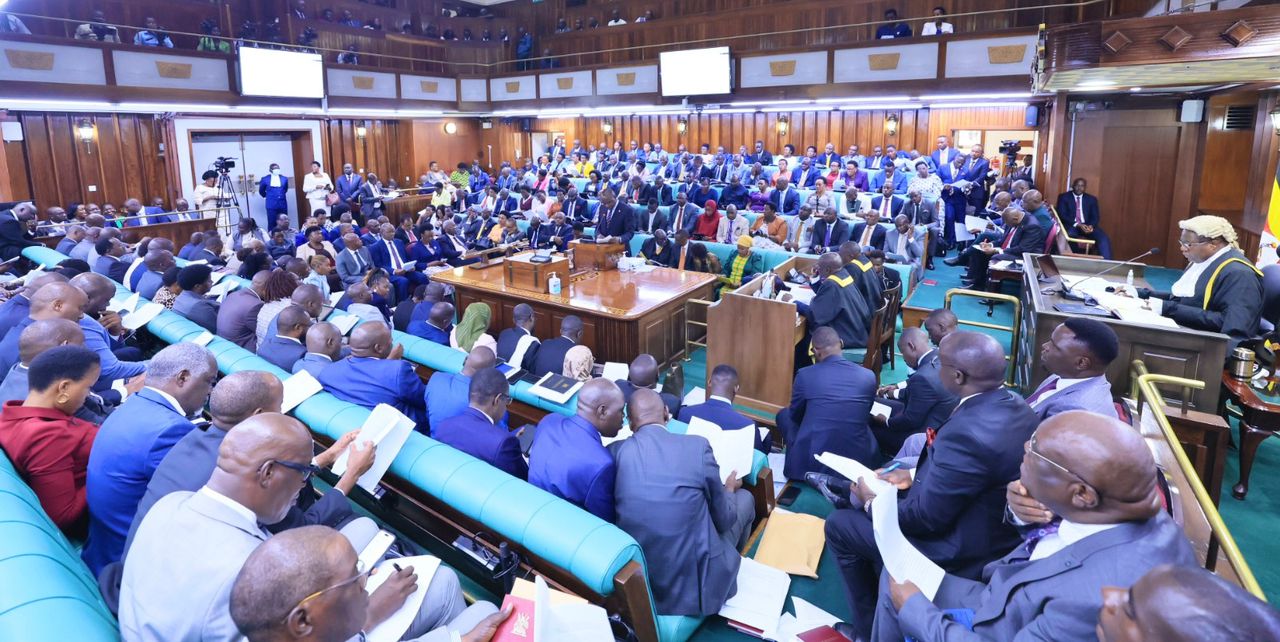 Parliament Approves Shs734 Billion Loan for Expansion of Solar-Powered Irrigation Systems
  Uganda has been ranked among the world’s top outsourcing destinations after placing 24th out of 193 countries in the 2026 Global Outsourcing Talent Index.
Dr Besigye Treason Trial Begins as State Prepares 10 Witnesses

By Peter Luzinda
The long-awaited treason trial involving veteran opposition leader Kizza Besigye begins today at the High Court in Kampala, with the State expected to call at least 10 witnesses in a case that has intensified political debate and public scrutiny across the country.
Dr Besigye, alongside his political aide Obeid Lutale and UPDF officer Denis Oola, faces allegations linked to activities the prosecution claims were aimed at destabilising the government. The trio has denied all accusations brought against them.
Court proceedings are expected to draw heavy security deployment and significant public interest as prosecutors begin presenting evidence before Justice Emmanuel Baguma. The State’s witness list reportedly includes senior security and intelligence officials, among them former Chieftaincy of Military Intelligence (CMI) boss Maj Gen Abel Kandiho.
Prosecutors are expected to rely on intelligence reports, electronic evidence, and witness testimonies gathered during investigations into the alleged offences. The prosecution maintains that it has sufficient evidence to proceed with the case.
The trial follows a series of tense pre-trial sessions dominated by disagreements between the defence and prosecution over access to evidence. Defence lawyers, led by Erias Lukwago and Fredrick Mpanga, previously argued that the State had delayed disclosure of crucial audio and video materials intended for use during the hearings.
Despite objections from the defence, the court ruled that the trial should proceed after concluding preliminary hearings earlier this week. Three assessors were also appointed to participate in the proceedings, a move the defence challenged but failed to block.
Dr Besigye, a four-time presidential contender and one of the most prominent critics of President Yoweri Museveni’s administration, has repeatedly described the charges as politically motivated. His prosecution has continued to attract reactions from opposition supporters, civil society actors, and human rights organisations concerned about political freedoms and the handling of dissent in Uganda.
Observers say the case could become one of the most consequential political trials in recent years, given Dr Besigye’s long-standing influence in Uganda’s opposition politics and the broader implications surrounding governance, justice, and democratic space.
Hearings are expected to continue in the coming days as the prosecution presents its witnesses before the defence opens its case.

Leave a Comment
Your email address will not be published. Required fields are marked *