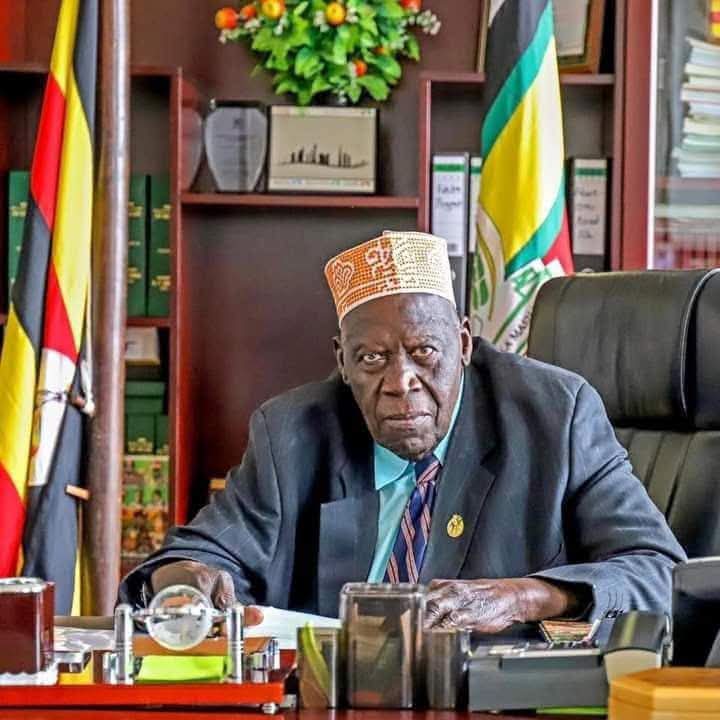
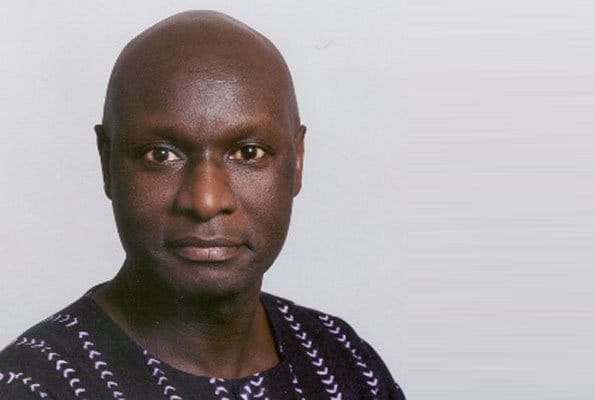
 Uganda Backs Olara Otunnu for UN's Top Job
 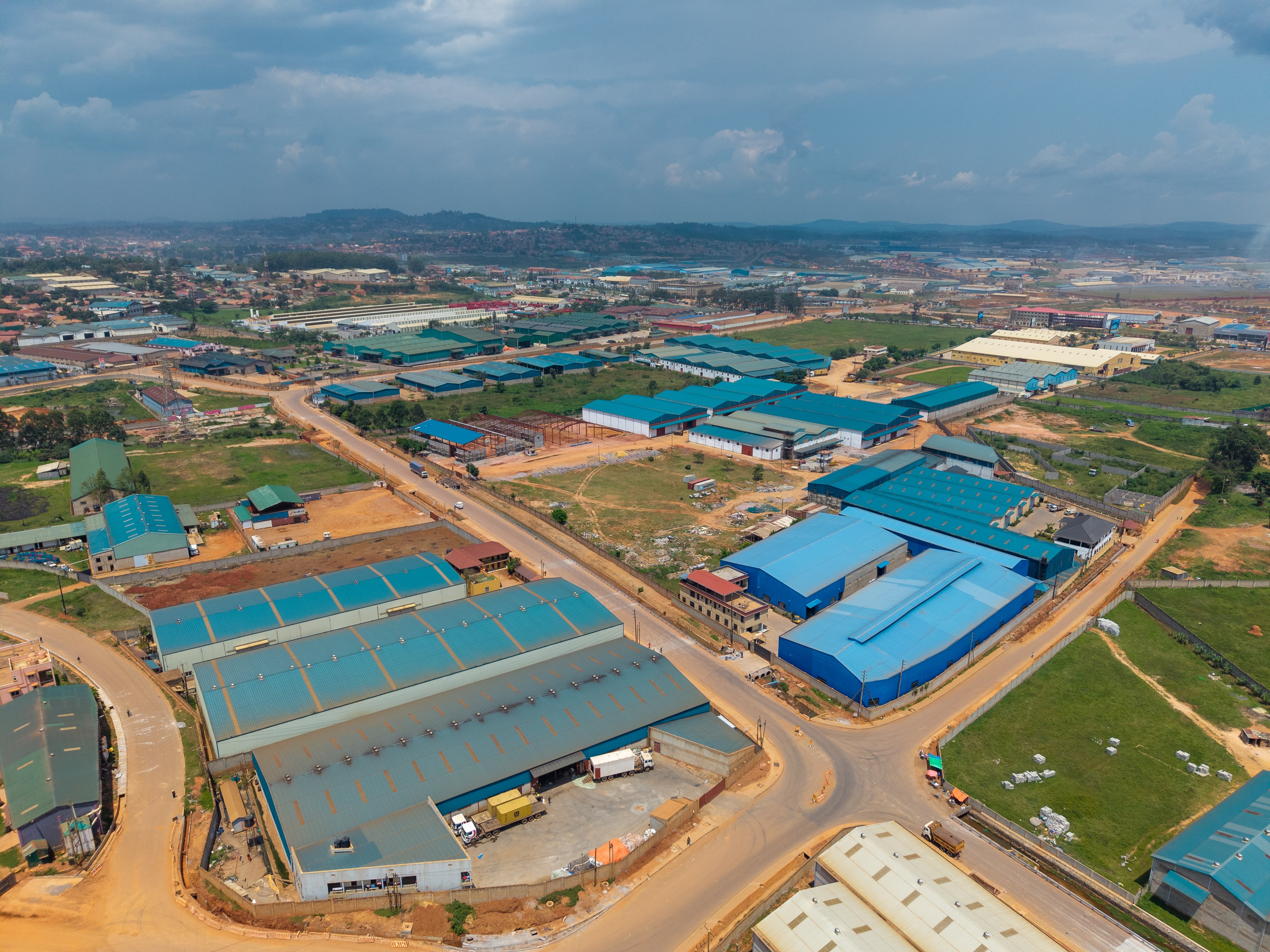 EDITOR'S PICK: WHY MORE INVESTORS ARE ABANDONING NAMANVE AND ESTABLISHING MORE FACTORIES ALONG KATOSI ROAD
 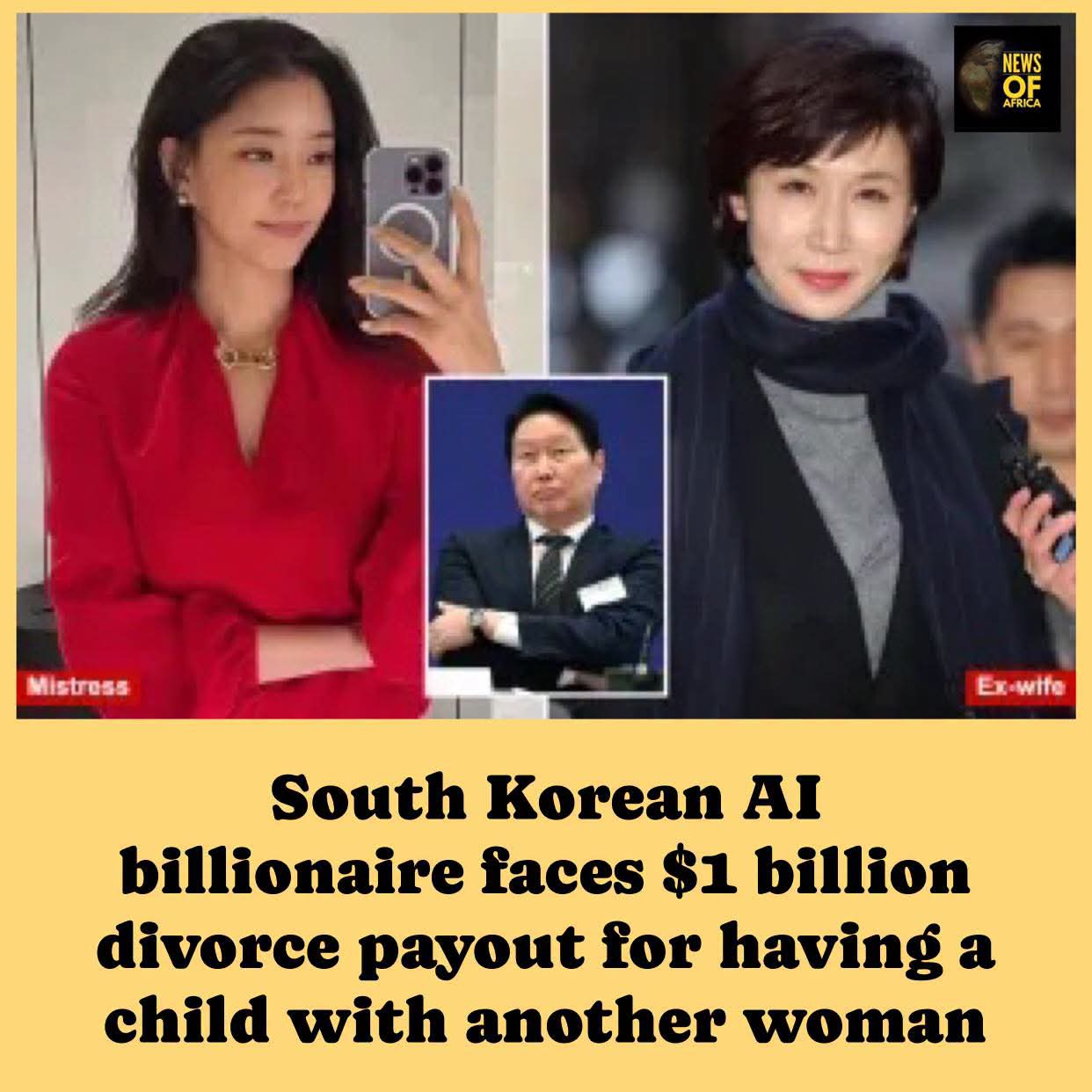 SOUTH KOREA: South Korean AI billionaire faces $1 billion divorce payout for having a child with another woman
  33-Year-Old Former Porn Star Wins Senate Seat
  OUR LOCAL GOVERNANCE SYSTEM DEFINE OUR HISTORICAL ROOTS.
Beyond Money: Why Uganda Must Integrate Life Skills and Comprehensive Sexuality Education into Empowerment Programmes
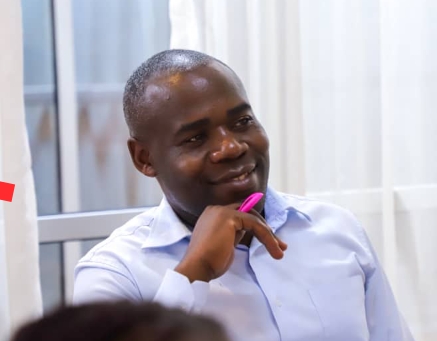
By Luke Twesigye
Uganda’s biggest resource is also its biggest test: a very young population. More than three-quarters of Ugandans are under 30, and millions of young people are entering adulthood at a time when the Government of Uganda is making significant investments in jobs, skills, and enterprise through flagship programmes such as the Parish Development Model (PDM), Emyooga, the Youth Livelihood Programme (YLP), the Uganda Women Entrepreneurship Programme (UWEP), Operation Wealth Creation (OWC), the GROW Project, and the Presidential Skilling Industrial Hubs.
These investments are strategically important for economic transformation. However, they are not sufficient on their own to guarantee sustained outcomes. Financial capital opens opportunity, and skills training builds capability, but real-world success is also shaped by life skills, personal agency, and the ability to navigate relationships, peer pressure, risk, and social vulnerability.
This is the missing development layer where Comprehensive Sexuality Education (CSE) becomes a critical systems intervention rather than an optional social add-on.
CSE is a structured, age-appropriate, and science-based educational approach that equips young people with accurate information, skills, and values to make informed decisions about their health, relationships, and futures. According to UNESCO, it is grounded in human rights and gender equality and strengthens learners’ ability to make responsible and informed life choices.
Evidence from UNFPA and WHO consistently shows that well-implemented CSE does not promote early sexual activity. Instead, it delays sexual debut, reduces risky behaviour, increases protective behaviours, improves school retention, and lowers rates of unintended pregnancy and HIV infection.
Uganda’s demographic and health indicators reinforce the urgency of this gap. According to the Uganda Demographic and Health Survey (UDHS 2022) and UNFPA Uganda estimates, approximately 1 in 4 girls aged 15–19 have already begun childbearing.
Child marriage remains widespread, affecting about 1 in 3 women. Gender-based violence also remains a significant challenge, with about 1 in 3 women experiencing physical or sexual violence in their lifetime.
HIV continues to disproportionately affect adolescents and young women, particularly in high-prevalence regions. These realities are not isolated social issues; they are structural constraints on human capital formation, workforce productivity, and household economic stability.
These constraints directly weaken the effectiveness of Uganda’s empowerment investments. A young woman may receive start-up capital under UWEP or PDM but still lose her business trajectory due to early pregnancy, coercion, or lack of negotiation power in relationships. A youth under a skilling programme may drop out due to peer pressure, substance use, or abuse.
A household may increase income through OWC support but still lose a girl’s education to early marriage. These outcomes do not primarily reflect programme failure in funding or design; they reflect a missing layer of protection, information, and life skills integration within implementation.
Across PDM, Emyooga, UWEP, YLP, OWC, GROW, and skilling hubs, Uganda has built one of the most comprehensive livelihood support architectures on the continent. However, the sustainability of these investments depends on whether beneficiaries can protect themselves from exploitation, understand rights and bodily autonomy, manage peer pressure, prevent gender-based violence, make informed health decisions, and remain focused on education, training, and enterprise development. Without these competencies, economic empowerment outcomes remain fragile and reversible.
Where life skills and CSE are systematically integrated into these programmes, evidence from global and regional evaluations shows improved programme completion rates, reduced adolescent pregnancy, higher school retention, and stronger enterprise survival among youth beneficiaries. In practical terms, integration strengthens both human capital development and public investment efficiency by reducing preventable “leakages” such as dropout, health risks, and vulnerability to exploitation.
The benefits extend beyond individual beneficiaries. Parents are better supported to communicate with adolescents, reducing silence, stigma, and misinformation at household level. Boys and young men are more likely to adopt responsible masculinity, respect boundaries, and reject violence, contributing to reduced gender-based violence. Religious and cultural leaders are better positioned to reinforce messages of dignity, responsibility, and protection in culturally grounded and socially acceptable ways. Out-of-school youth, often outside formal structures, also gain access to essential knowledge that improves safety, health, and economic participation.
From a public finance and health systems perspective, the cost of inaction remains significant. Uganda continues to allocate substantial resources to maternal health complications, HIV treatment, gender-based violence response, and mental health care linked to trauma.
Evidence from Ministry of Health and development partner costing analyses shows that prevention-oriented interventions such as sexuality education are significantly more cost-effective than downstream treatment. Every prevented adolescent pregnancy reduces pressure on health facilities, improves education continuity, and increases lifetime productivity and earnings potential. This represents a direct and measurable return on investment in human capital.
A health worker at a Health Centre III captured this reality clearly: “We often treat the consequences—early pregnancy, violence, and infections—but rarely address the knowledge gaps that bring people here in the first place.” This reflects a structural imbalance in Uganda’s development approach: strong investment in response systems, but comparatively weaker investment in upstream prevention.
CSE is often misunderstood as promoting early sexual activity. However, decades of evidence from UNFPA, WHO, and UNESCO consistently show the opposite. When properly implemented, CSE delays sexual initiation, improves decision-making, strengthens self-control, and increases protective behaviours.
The policy question is therefore not one of morality versus immorality, but whether young people are equipped with accurate, age-appropriate information or left vulnerable to misinformation, coercion, and risk.
Uganda does not need to redesign its systems; it needs to strengthen existing ones. This can be achieved by integrating structured life skills and CSE into all major empowerment programmes; standardizing age-appropriate delivery guidelines across implementing agencies; training teachers, health workers, community development officers, SACCO leaders, youth mentors, and skilling instructors; and strengthening monitoring and evaluation frameworks to track outcome-level indicators such as adolescent pregnancy reduction, school retention, GBV prevalence, and enterprise survival rates, rather than focusing primarily on activity outputs.
Importantly, implementation must remain culturally grounded while staying consistent with global evidence and national development priorities.
Uganda’s ambition to achieve middle-income status cannot be realized through financial investment and skills development alone.
Economic empowerment delivers its highest returns when young people are also equipped with the knowledge, values, and life skills to make informed, responsible, and confident decisions. Without this integration, investments continue to leak through preventable challenges such as dropout, early pregnancy, violence, and lost productivity. With it, those same investments become more resilient, more efficient, and more transformative.
Ultimately, Uganda’s ambition to remain the “Pearl of Africa” cannot be achieved through economic investment alone. It requires a deliberate and coordinated investment in human development systems that protect, educate, and empower its young population. Aligning Comprehensive Sexuality Education with UNESCO standards and embedding it within national empowerment programmes offers Uganda a practical, evidence-based pathway to reduce vulnerability, strengthen families, improve productivity, reduce pressure on public health expenditure, and accelerate progress toward Vision 2040 and the Sustainable Development Goals.
The Author is the SRHR and Gender Equality Advocate, SRHR4ALL Project Coordinator at Straight Talk Foundation, and Country Coordinator for MenEngage Uganda.
Related Post
Leave a Comment
Your email address will not be published. Required fields are marked *