 Kigali to host 26th EAC MSMEs Trade Fair with focus on leather and horticulture value chains
 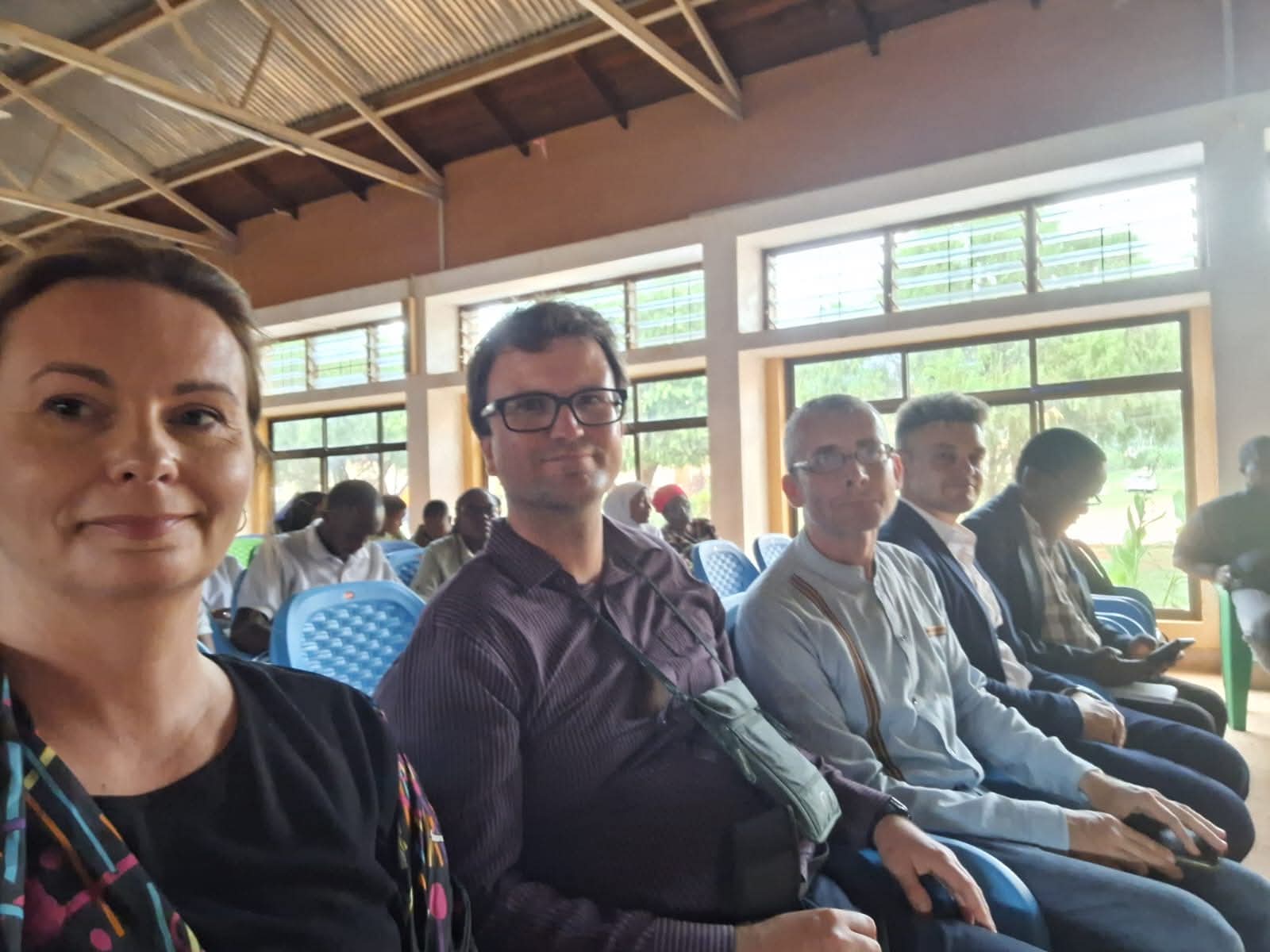 UMCS strengthens international cooperation in Tanzania!
 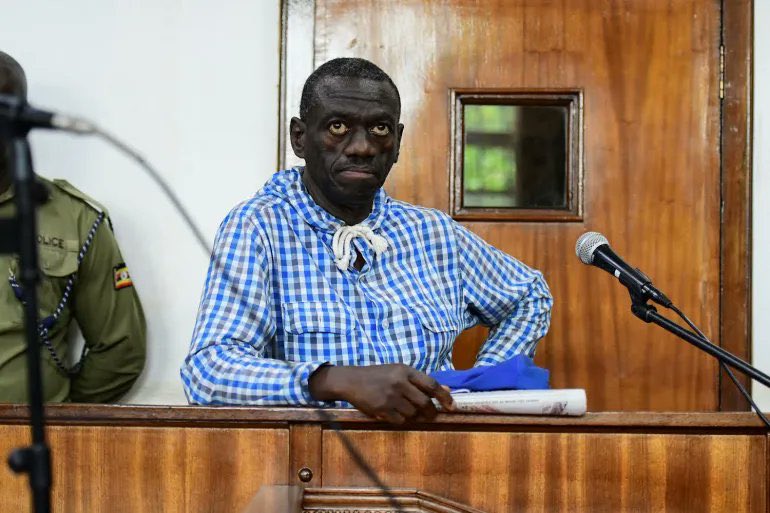 Dr Besigye Treason Trial Begins as State Prepares 10 Witnesses
 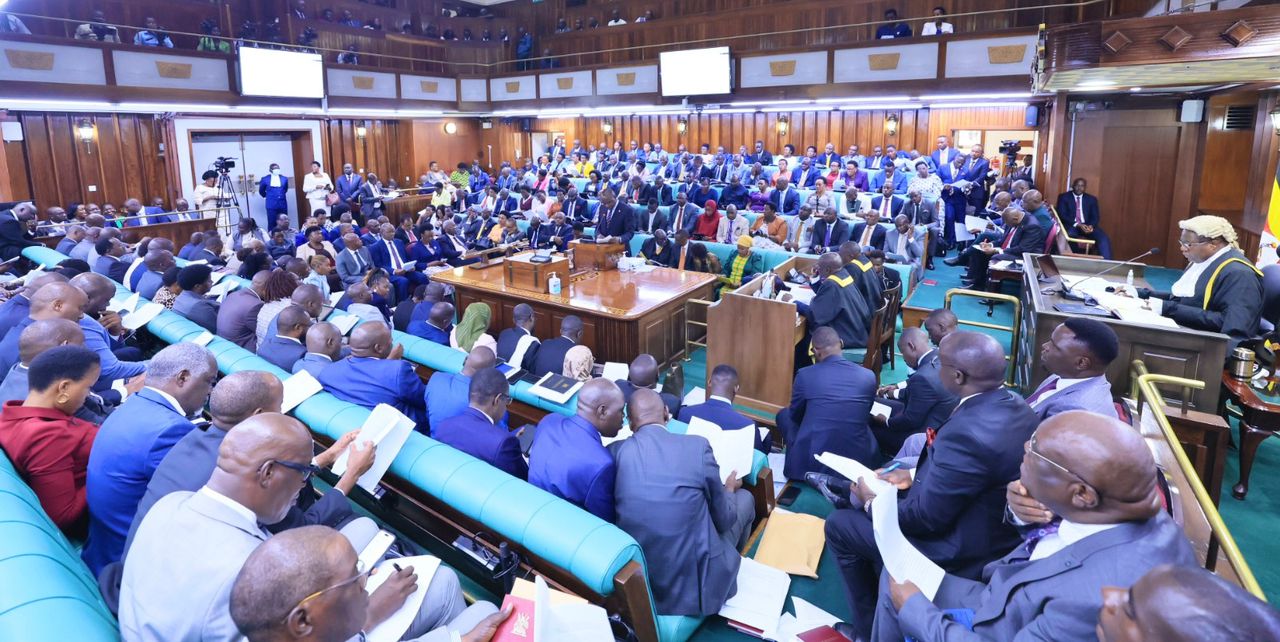 Parliament Approves Shs734 Billion Loan for Expansion of Solar-Powered Irrigation Systems
  Uganda has been ranked among the world’s top outsourcing destinations after placing 24th out of 193 countries in the 2026 Global Outsourcing Talent Index.
Inside Uganda’s Highway Emergency Gap: Mbarara–Bushenyi Crash Exposes Life-or-Death Delays
Asante Investigative Desk
Sunday, May 3, 2026
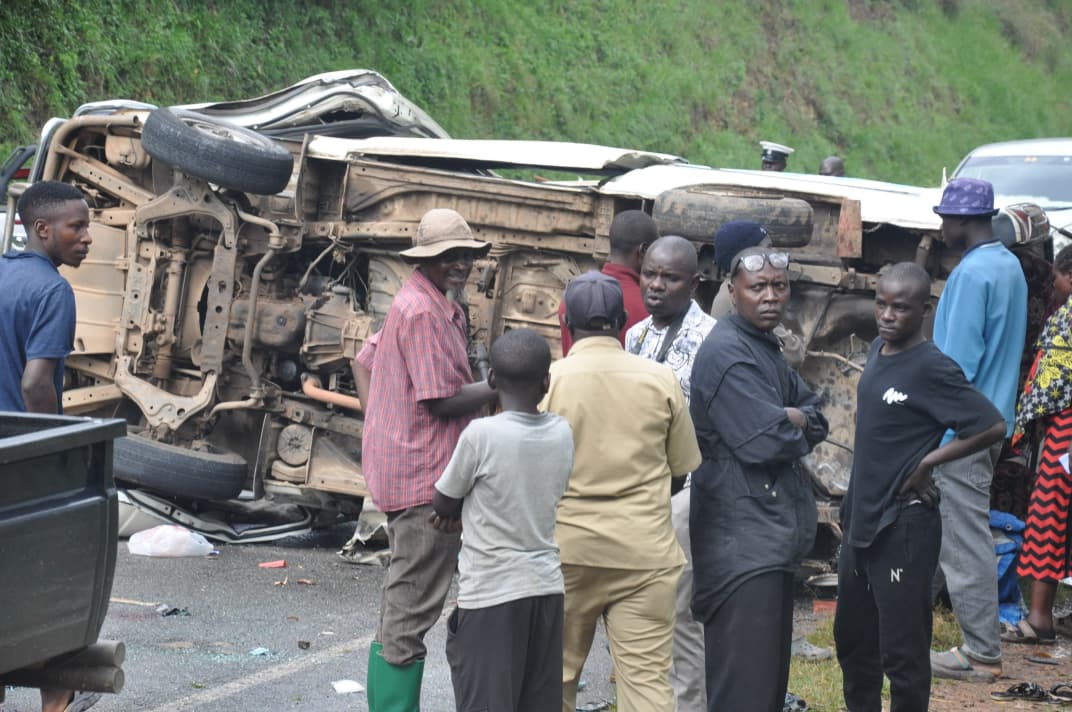
The fatal crash on the Mbarara–Bushenyi Road that claimed one life and left several others critically injured on Sunday afternoon is now drawing attention to a less visible but equally deadly factor in Uganda’s road safety crisis: what happens in the minutes after a crash.
While police investigations are ongoing into the collision between a passenger taxi (UBE 047S) and a heavy truck from the direction of Mbarara, emerging accounts suggest that delays in emergency response may have worsened the outcome.
The Golden Hour Lost
Medical experts often refer to the “golden hour”—the critical window after traumatic injury when prompt medical care can mean the difference between life and death. On Sunday, witnesses say that window may have slipped away.
“People were trapped for a long time. We tried to remove them, but we are not trained,” said Mr. Brian Tumuhimbise, one of the first people at the scene.
“There was no ambulance immediately. By the time some victims were taken to hospital, they were already in very bad condition,” added Ms. Judith Ampaire, a shopkeeper nearby.
Victims were eventually transported to facilities in and around Bushenyi—mostly in private cars and motorcycles.
First Responders Without Tools
In the absence of a rapid, coordinated emergency system, ordinary citizens once again became frontline responders—without equipment, training, or protection.
“We used bare hands to pull people out. Some vehicles don’t even have basic tools for rescue,” said Mr. Yasin Byaruhanga, a boda boda rider.
“You fear to help because you can make injuries worse, but you can’t just stand and watch,” he added.
This pattern has become common across Uganda: crash scenes where bystanders act faster than formal systems, but with limited capacity to handle complex trauma cases.
A System Under Strain
Officials from the Uganda Police Force acknowledge challenges in response times, especially along high-traffic highways.
“We respond as quickly as possible, but sometimes distance and traffic congestion affect arrival time,” said ASP Samson Kasasira, police spokesperson.
Health sector observers say the issue goes beyond police.
Uganda lacks a fully integrated national ambulance network, meaning coverage is uneven and often concentrated in urban centers like Kampala, leaving highways and rural stretches vulnerable.
“We still don’t have a reliable emergency medical system that guarantees timely response across the country,” said Dr. Grace Taremwa, a public health specialist.
Survivability vs. Severity
While the crash itself was severe, experts argue that survivability often depends on post-crash care—not just the collision.
“Many victims of road accidents die not because injuries are instantly fatal, but because of delays in treatment,” Dr. Taremwa explained.
“Bleeding, shock, and airway obstruction can be managed if intervention is fast.”
For families affected by Sunday’s crash, those delays are now a painful reality.
“If help had come earlier, maybe more lives could have been saved,” said Mr. James Ndyanabo, a relative of one of the injured.
Beyond the Crash: A Policy Question
The incident has reignited debate over whether Uganda’s infrastructure investments have been matched with equal attention to safety systems.
The Mbarara–Bushenyi Road remains a key economic corridor, yet lacks:
Clearly designated emergency response points
Readily available ambulances along the route
Public awareness on first aid response
“We focus on building roads, but not on saving lives on those roads,” said Eng. Michael Rwakahima, a transport policy analyst.
What Needs to Change
Experts and advocates say urgent reforms are needed:
Establish regional emergency dispatch centers
Increase ambulance deployment along highways
Train community first responders
Strengthen coordination between police and health services
“Every major highway should have a rapid response unit within minutes—not hours,” Eng. Rwakahima emphasized.
A Preventable Outcome?
As investigations continue into the cause of the crash itself, a broader question is emerging—one that goes beyond driver error or mechanical failure:
Could the outcome have been different with a faster, better-equipped emergency response?
Until Uganda answers that question with action, crashes like the one on the Mbarara–Bushenyi Road may continue to expose not just the dangers of the road—but the gaps in saving those who survive it.

Leave a Comment
Your email address will not be published. Required fields are marked *