 Uganda Backs Olara Otunnu for UN's Top Job
  EDITOR'S PICK: WHY MORE INVESTORS ARE ABANDONING NAMANVE AND ESTABLISHING MORE FACTORIES ALONG KATOSI ROAD
  SOUTH KOREA: South Korean AI billionaire faces $1 billion divorce payout for having a child with another woman
  33-Year-Old Former Porn Star Wins Senate Seat
  OUR LOCAL GOVERNANCE SYSTEM DEFINE OUR HISTORICAL ROOTS.
Kagadi leaders renew push for Cabinet seat amid claims of “political neglect”
By Staff Reporter
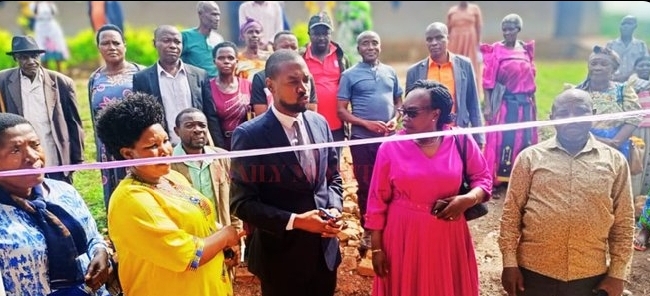
KAGADI — Leaders in Kagadi District have renewed calls for inclusion in Uganda’s Cabinet, following yet another reshuffle that left the area without representation, a development that has reignited debate over political recognition and regional balance despite continued support for President Yoweri Museveni and the ruling National Resistance Movement (NRM).
The latest appointments have stirred dissatisfaction among sections of the community who argue that Kagadi’s absence from Cabinet undermines its visibility in national decision-making and weakens its ability to advocate for key development priorities.
“We have remained loyal politically, but when it comes to national leadership positions, we are consistently left out,” a district-based political leader said.
The sentiment has been widely shared among residents, who cite persistent infrastructure gaps, limited access to quality healthcare, and high youth unemployment as issues that require stronger national-level advocacy.
Kagadi District, established in 2016 after being carved out of Kibaale, is considered a stronghold of the NRM in western Uganda. However, residents say electoral loyalty has not translated into proportional representation in top government offices.
Some leaders argue that Cabinet representation would enhance the district’s bargaining power in securing development projects and improving service delivery outcomes.
However, political analysts maintain that Cabinet selection in Uganda is influenced by multiple factors, including national and regional balance, political strategy, competence, and party considerations, rather than electoral support alone.
Others within government circles emphasize that development programs are delivered through structured national systems, meaning districts can still benefit even without Cabinet representation.
Despite these arguments, dissatisfaction in Kagadi continues to grow, with local leaders calling for formal dialogue with senior NRM officials to address what they describe as “longstanding exclusion” from the executive arm of government.
As discussions continue, the issue is expected to remain a focal point in local politics, reflecting broader conversations about representation, fairness, and political inclusion across Uganda.
Leave a Comment
Your email address will not be published. Required fields are marked *