 BLUE TYGAR REFLECTS ON TRUE LOVE IN NEW SINGLE
 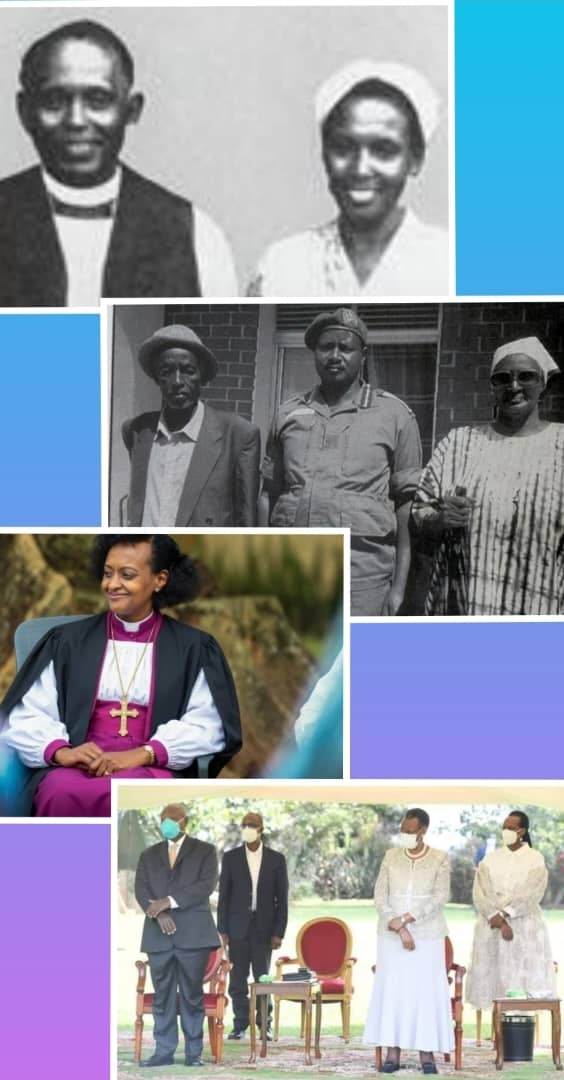 REVIVAL EVOLUTION IN MZEE Y.K MUSEVENI'S FAMILY.
 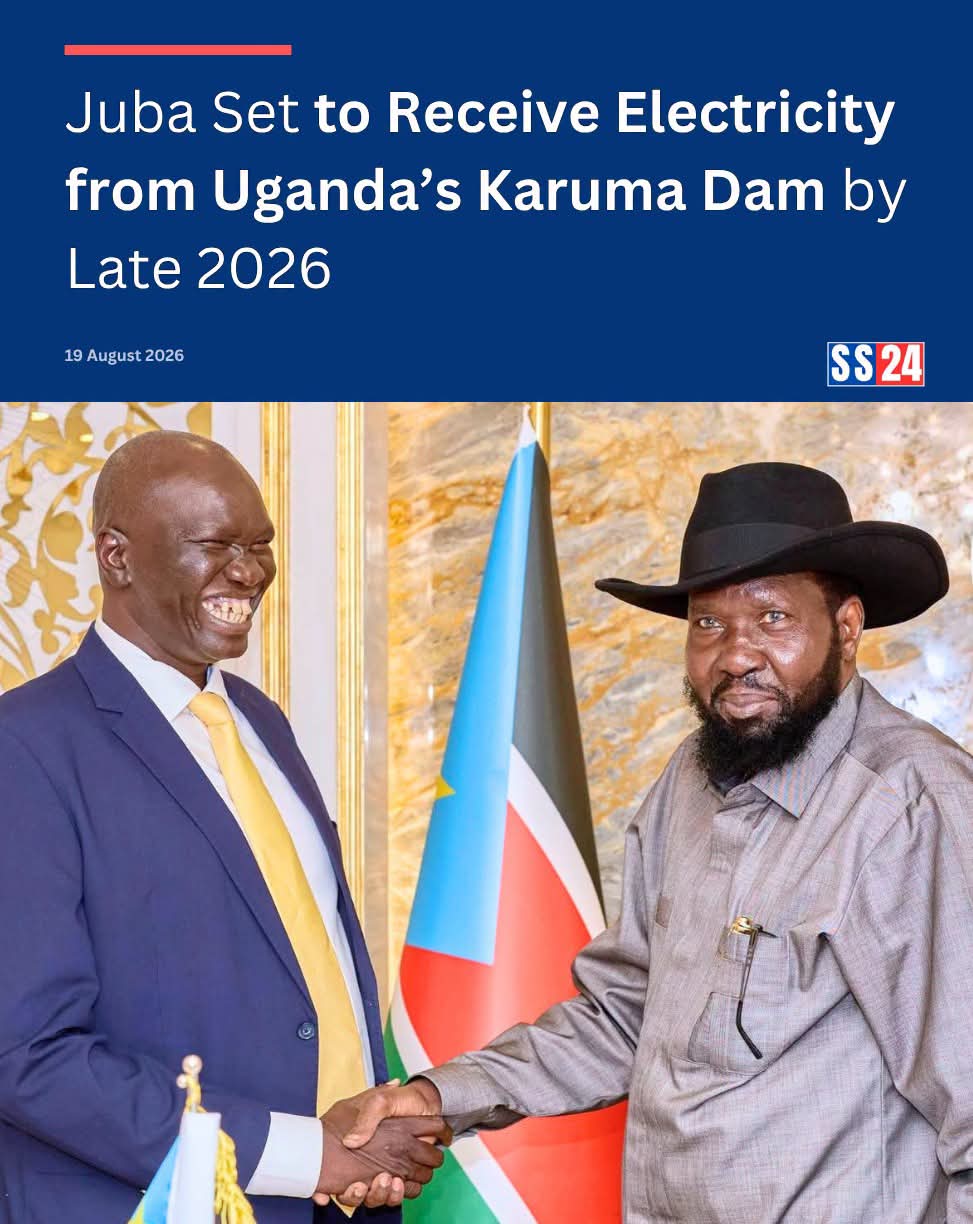 Juba Could Get Karuma Power by Late 2026
  Mukasa Joseph Builds Roofing Business Serving Buddo and Kampala
 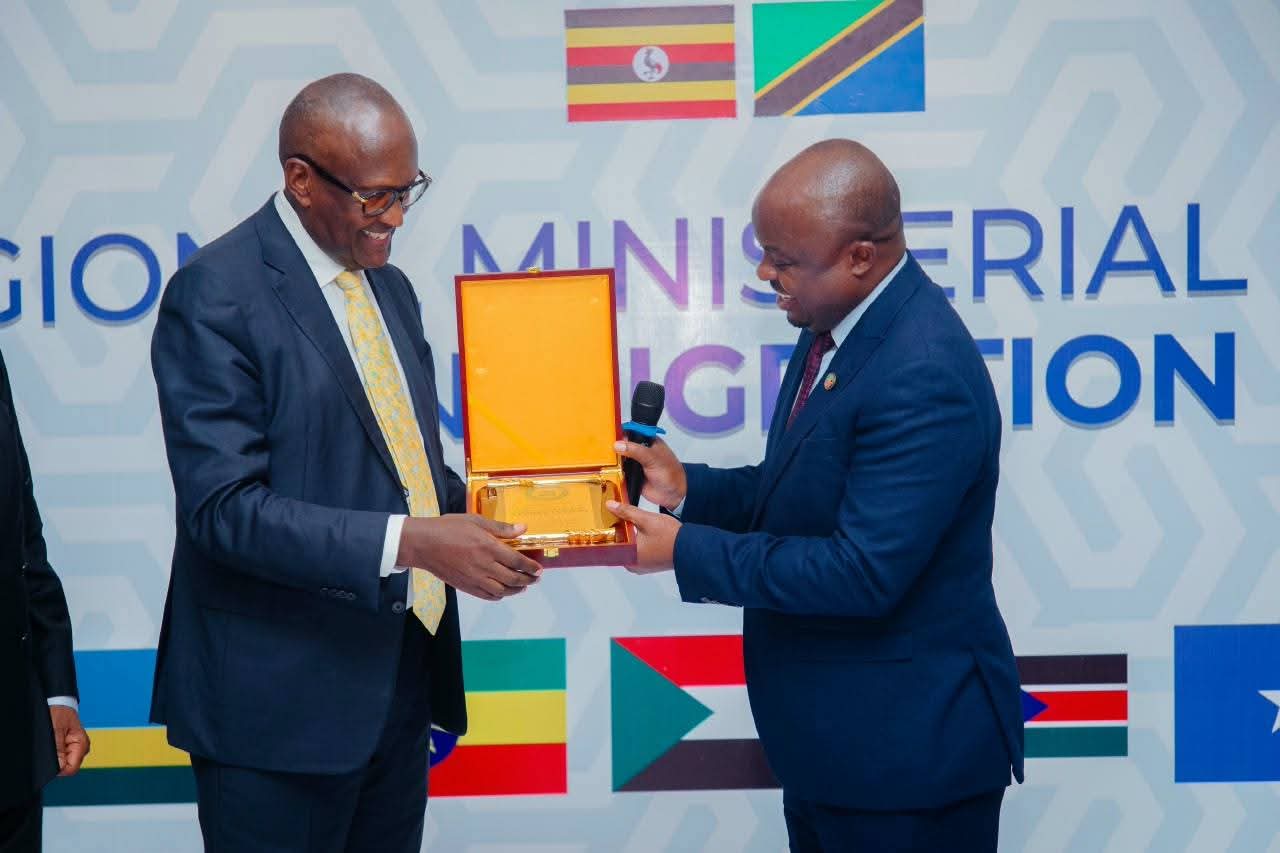 Uganda Hands Over Migration Chairmanship To Tanzania
 Why Uganda Must Ratify the African Union Convention on Ending Violence Against Women and Girls: A Legal, Health, and Development Imperative for Gender Equality and National Transformation
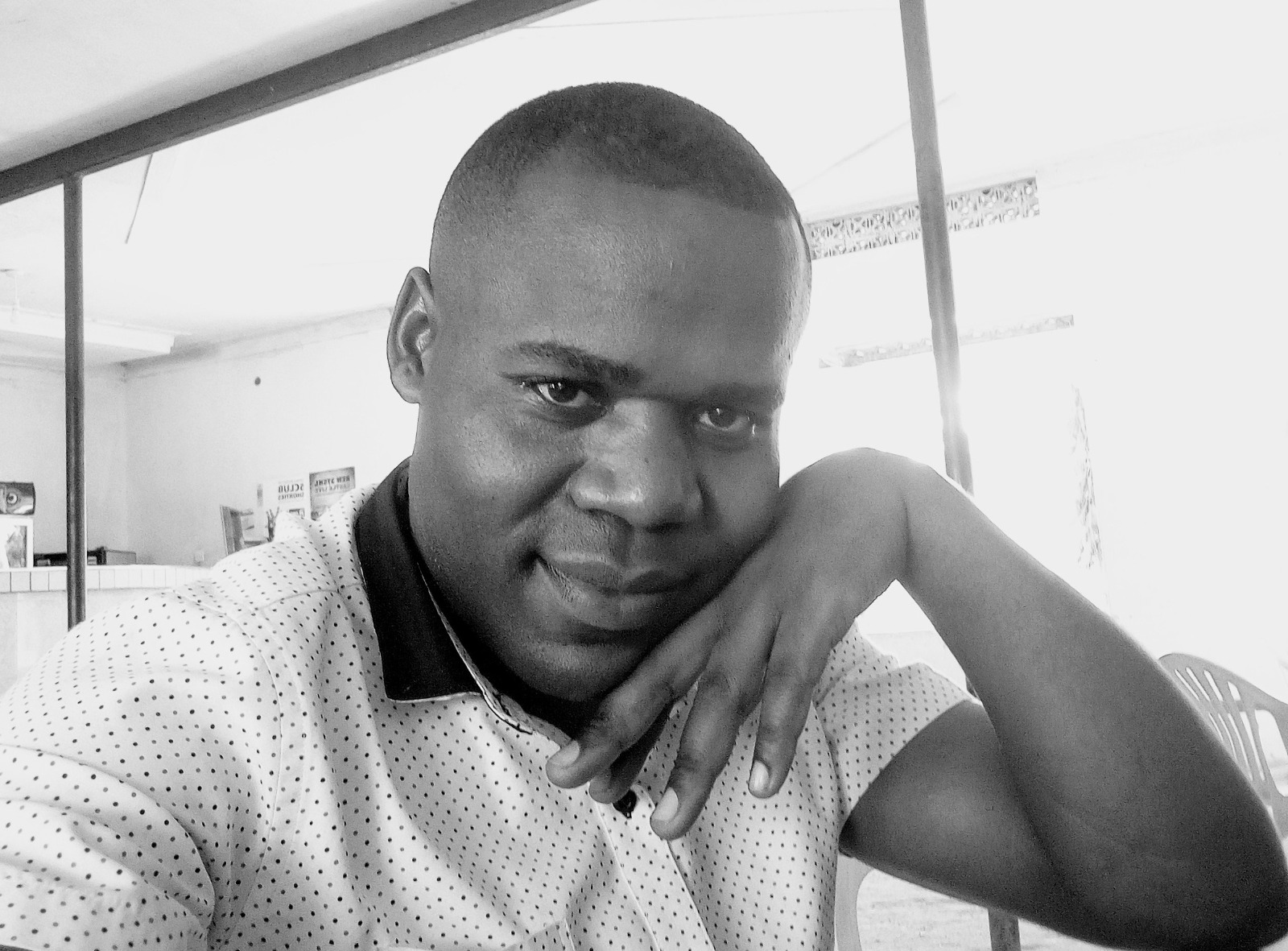
By Luke Twesigye
Violence against women and girls remains one of the most persistent human rights violations and public health crises globally. The World Health Organization estimates that approximately one in three women worldwide experience physical or sexual violence in their lifetime, most often by an intimate partner (WHO, 2021).
In sub-Saharan Africa, this burden is intensified by intersecting structural inequalities, poverty, weak enforcement systems, conflict, and deeply entrenched social norms that continue to normalize violence in both private and public life.
Uganda reflects these regional realities in a particularly visible way. The Uganda Demographic and Health Survey (UDHS 2016, UBOS & ICF) shows that nearly half of ever-married women have experienced physical, sexual, or emotional violence from a partner at some point in their lives.
Subsequent thematic and sector reports and programmatic findings continue to show that intimate partner violence remains widespread, with significant regional variation, particularly higher prevalence in parts of Eastern and Northern Uganda.
Underreporting remains a major challenge due to stigma, economic dependence, fear of retaliation, and limited trust in formal justice and health systems. These realities confirm that violence against women and girls is not an isolated social problem but a structural constraint on health, development, and human capital formation.
It is within this context that the African Union has developed the African Union Convention on Ending Violence Against Women and Girls (AU CEVAWG)—a proposed binding continental legal instrument intended to move African states from fragmented commitments to coordinated and enforceable systems for prevention, protection, prosecution, and recovery.
Unlike earlier frameworks that primarily set normative standards, this Convention is designed to operationalize commitments through integrated national action plans, coordinated service delivery systems, improved data frameworks, and strengthened accountability mechanisms across justice, health, education, and social protection sectors.
The Convention was developed through a multi-year, continent-wide consultative process led by the African Union Commission, with technical support from UN Women and the United Nations Population Fund. Member States, regional economic communities, legal experts, health specialists, and civil society organizations—including women’s rights networks, youth groups, disability advocates, and survivor-led organizations—contributed to shaping its content.
This inclusive process reflects an important shift in global governance: those most affected by violence are increasingly central to designing solutions.
According to the latest available African Union Commission updates, eight Member States—Angola, Benin, Cameroon, Democratic Republic of Congo, Mali, Namibia, Sierra Leone, and South Sudan—have signed the Convention, while The Gambia is currently the only country reported to have ratified it. This limited ratification highlights a persistent gap between continental policy development and national legal and budgetary commitment, raising important questions about political prioritization of violence prevention within national development agendas.
The significance of the AU CEVAWG becomes clearer when placed alongside existing regional and global frameworks, particularly the Protocol to the African Charter on Human and Peoples’ Rights on the Rights of Women in Africa (Maputo Protocol), which Uganda ratified in 2010. The Maputo Protocol remains one of the most progressive women’s rights instruments globally, guaranteeing rights to dignity, equality, health, and protection from violence and harmful practices (African Union, 2003).
However, its implementation has been constrained by weak enforcement mechanisms, limited financing, and inconsistent monitoring systems. The AU CEVAWG builds on this foundation by shifting emphasis from rights declaration to implementation systems that ensure measurable accountability, coordination, and service delivery.
Evidence from Uganda clearly demonstrates why such a shift is necessary. UDHS findings consistently show high prevalence of intimate partner violence, with significant consequences for women’s physical health, mental wellbeing, reproductive autonomy, and socioeconomic participation (UBOS & ICF, 2016; WHO, 2021).
Violence is strongly associated with unintended pregnancies, unsafe abortions, HIV transmission risk, depression, anxiety, and maternal complications (UNFPA, 2022).
These outcomes directly undermine sexual and reproductive health and rights (SRHR), which are essential both to individual dignity and national development outcomes.
The economic cost of inaction is also substantial. The World Bank estimates that violence against women can cost countries between 1–5 percent of GDP through lost productivity, increased healthcare costs, legal system burdens, and reduced human capital development. For Uganda, where human capital development is a central pillar of Vision 2040 and the National Development Plan, this represents a significant but often invisible constraint on long-term economic transformation.
Importantly, the Convention is not only a women’s rights instrument. Its implementation produces broad social benefits. Men and boys benefit from reduced exposure to violence, improved mental health outcomes, stronger family stability, and healthier socialization patterns. Boys raised in non-violent households are less likely to become perpetrators or victims later in life, helping to break cycles of intergenerational violence. This makes violence prevention a whole-of-society development intervention rather than a narrow sector concern.
Effective implementation of the AU CEVAWG depends on coordinated multi-stakeholder action. Civil society organizations play a central role in advocacy, survivor support, legal aid, psychosocial services, and accountability monitoring.
Government institutions—including Parliament, the Ministry of Gender, Labour and Social Development, the Ministry of Health, the judiciary, and law enforcement—carry responsibility for ratification, legal harmonization, financing, and enforcement. Health systems are critical entry points for early identification, clinical response, documentation, and referral, particularly within reproductive health, antenatal, HIV, and adolescent services.
Traditional and religious leaders shape community norms and can either reinforce or transform attitudes toward violence. The media influences public discourse and stigma reduction, while the private sector contributes through workplace protections and innovation. Development partners provide technical and financial support; though long-term sustainability depends on domestic resource allocation. Communities remain the foundation of change, as lasting progress requires transformation of social norms and household behaviors.
Despite its promise, the Convention also has structural limitations. Financing mechanisms are not clearly defined, enforcement relies heavily on state compliance, and operational guidance for inclusion of persons with disabilities, refugees, adolescents, and rural populations remains limited. However, these gaps should be understood not as reasons for delay, but as areas for strengthening through domestication and national implementation frameworks.
For Uganda, ratifying and domesticating the AU CEVAWG would strengthen coordination across sectors, improve data systems, enhance survivor-centered services, and integrate violence prevention into health systems. This would directly improve sexual and reproductive health outcomes, including reduced unintended pregnancies, improved access to contraception, reduced HIV risk, and improved maternal health outcomes. It would also strengthen human capital development, productivity, and long-term economic resilience.
Uganda now stands at a decisive governance moment. It has already committed to global and regional frameworks such as CEDAW, the Maputo Protocol, and the Sustainable Development Goals. What remains is the transition from fragmented commitments to a unified, implementation-driven system capable of delivering measurable change.
The AU CEVAWG is not simply another treaty. It is a systems transformation instrument designed to close the gap between policy and lived reality.
The central question is whether Uganda will continue managing violence as a fragmented social challenge or confront it as a structural development constraint requiring urgent legal, institutional, and financial transformation.
The answer will determine not only the safety and dignity of women and girls, but the long-term health, stability, and prosperity of the nation.
- The Author is The SRHR4ALL Project Coordinator at Straight Talk Foundation and Country Coordinator for MenEngage Uganda.
Related Post


Leave a Comment
Your email address will not be published. Required fields are marked *