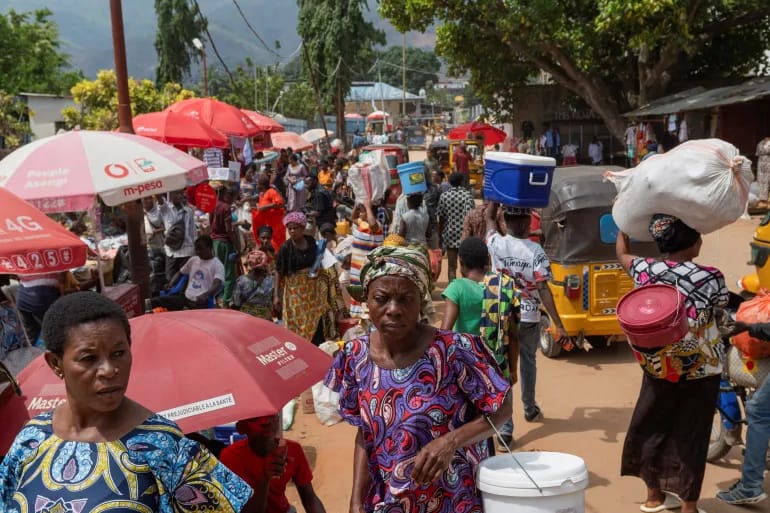
 Kigali to host 26th EAC MSMEs Trade Fair with focus on leather and horticulture value chains
 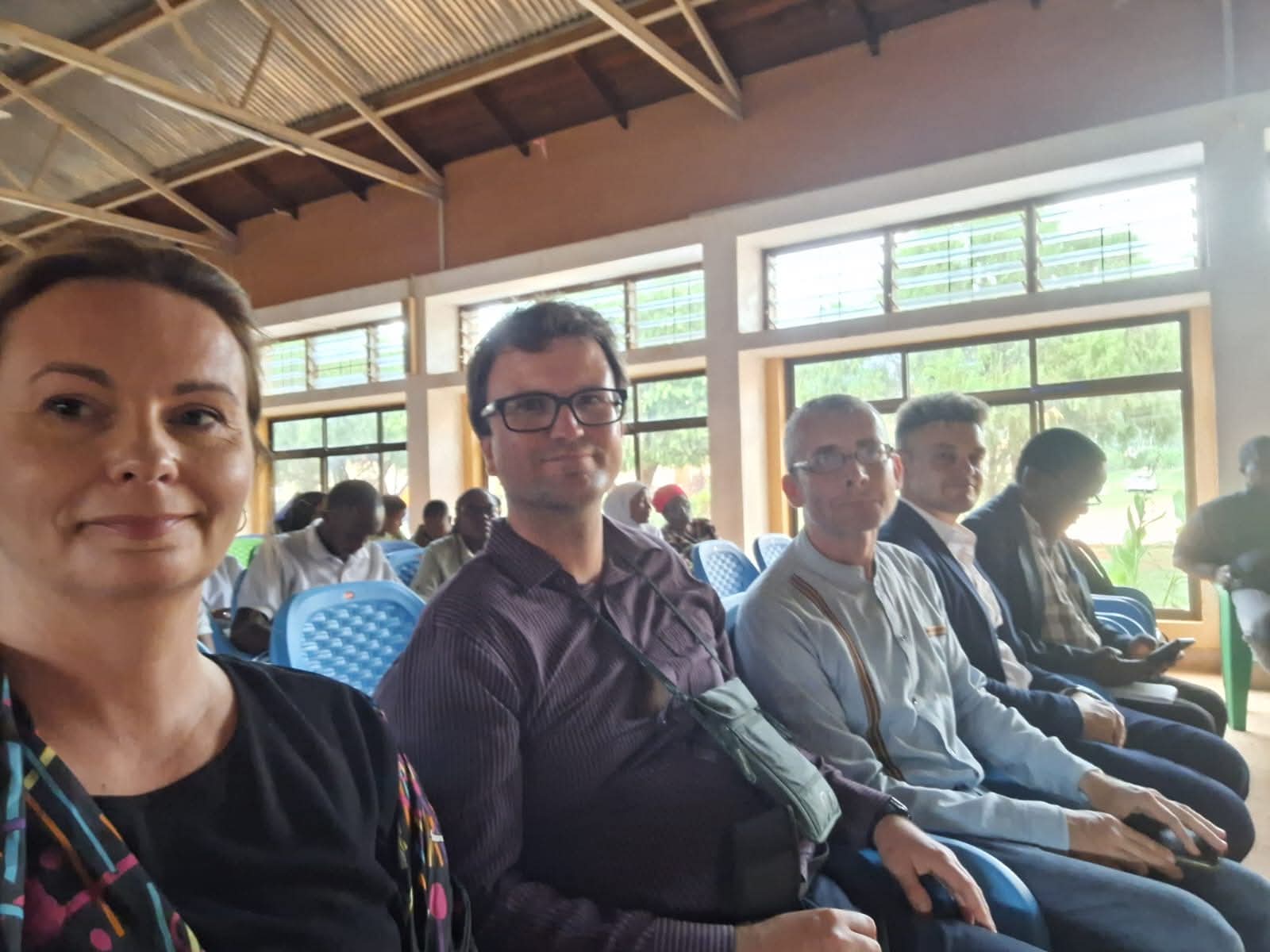 UMCS strengthens international cooperation in Tanzania!
  Dr Besigye Treason Trial Begins as State Prepares 10 Witnesses
 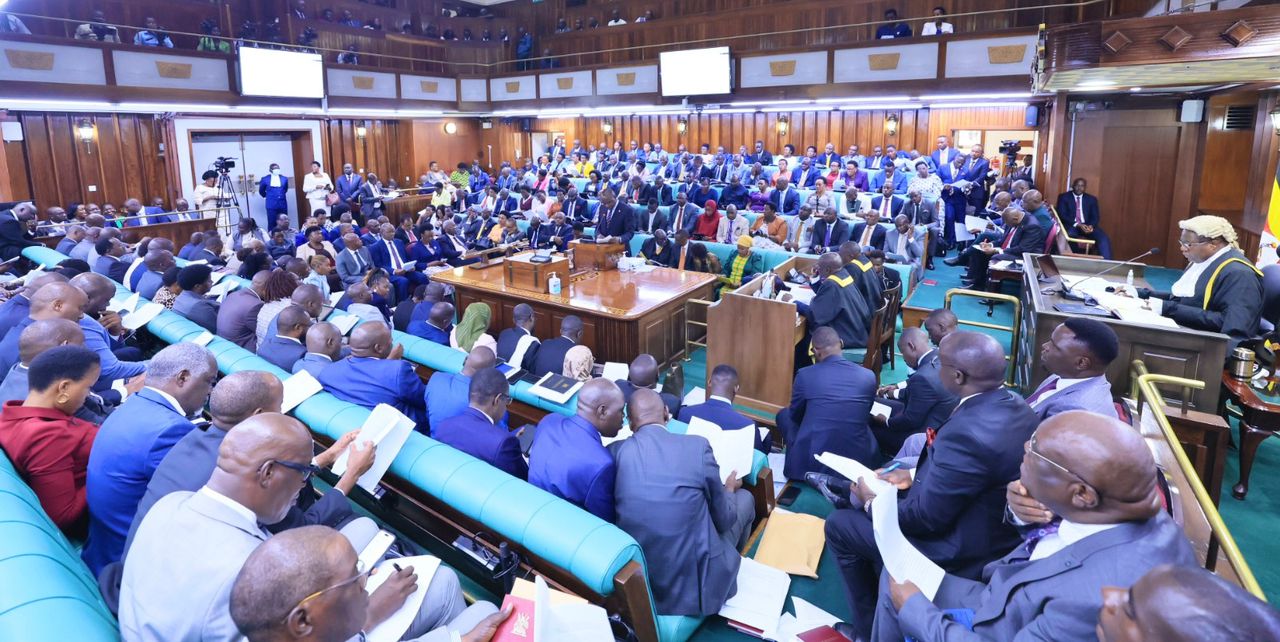 Parliament Approves Shs734 Billion Loan for Expansion of Solar-Powered Irrigation Systems
  Uganda has been ranked among the world’s top outsourcing destinations after placing 24th out of 193 countries in the 2026 Global Outsourcing Talent Index.
Shs522 Billion Railway Arbitration Loss Sparks Questions Over Uganda’s PPP Deals
By Jarc Tusiime
Kampala, Uganda | May 4, 2026
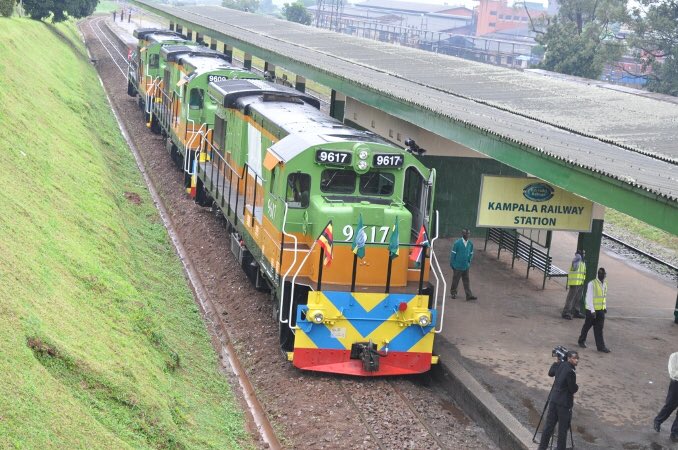
Uganda’s order to pay Shs522 billion following a London arbitration ruling over the failed railway concession has reignited scrutiny over how government enters, manages, and exits major public-private partnership (PPP) deals in the infrastructure sector.
The ruling, which stems from the termination of the Rift Valley Railways concession, found that Uganda acted improperly when it ended the agreement without fully meeting contractual obligations, leading to a costly compensation award.
A deal that promised transformation, but collapsed in dispute
The concession, awarded in 2005, was intended to revive the Kenya–Uganda railway corridor and shift cargo transport from road to rail. However, the partnership between the government and the private operator deteriorated over time amid disputes over investment commitments, asset conditions, and performance targets.
By 2017, the agreement was terminated by Uganda Railways Corporation, triggering arbitration proceedings in London that have now concluded with a substantial financial penalty against Uganda.
Government faces pressure over accountability
The ruling has sparked renewed debate among policy analysts and civil society observers, who say the outcome reflects deeper governance and accountability gaps in large infrastructure agreements.
One transport policy expert noted that while PPPs remain critical for developing costly infrastructure, “weak contract enforcement and unrealistic projections often expose governments to long-term financial risks when disputes escalate.”
Others argue that both parties share responsibility for the collapse of the project, pointing to operational inefficiencies, underinvestment, and unclear performance benchmarks during the concession period.
Heavy fiscal burden at a sensitive time
The Shs522 billion award adds pressure on Uganda’s public finances at a time when government is already prioritising large infrastructure investments, including rail modernisation plans and road upgrades.
Economists warn that such arbitration losses can divert funds from critical development priorities such as health, education, and transport expansion.
Lessons for future infrastructure deals
The case is now being viewed as a cautionary example for future PPP arrangements, particularly in sectors requiring long-term capital investment and complex cross-border coordination.
Analysts say Uganda may need to strengthen contract design, legal oversight, and negotiation capacity before entering similar high-value agreements again.
Awaited official response
Government officials had not issued a detailed statement by press time, though sources indicate internal discussions are ongoing regarding compliance with the arbitration award and possible legal or financial options.
The ruling leaves Uganda facing not only a significant payout but also renewed scrutiny over how major national infrastructure deals are structured and managed from the outset.

Leave a Comment
Your email address will not be published. Required fields are marked *